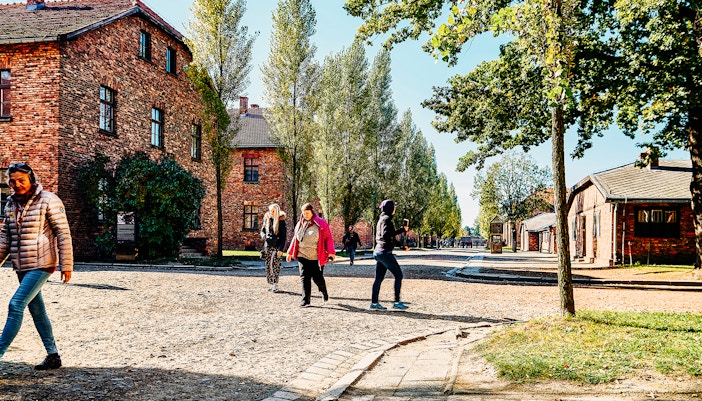
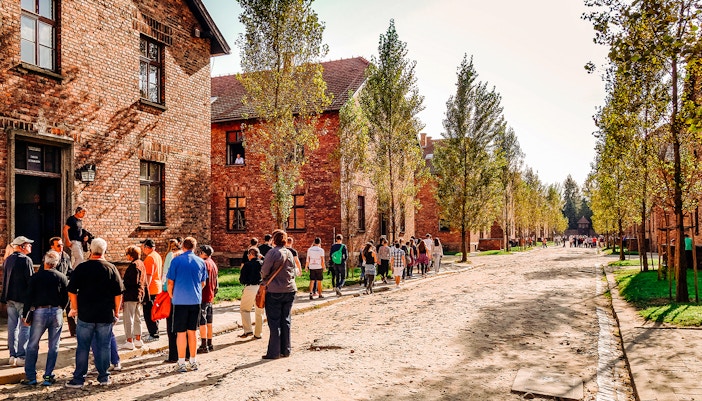
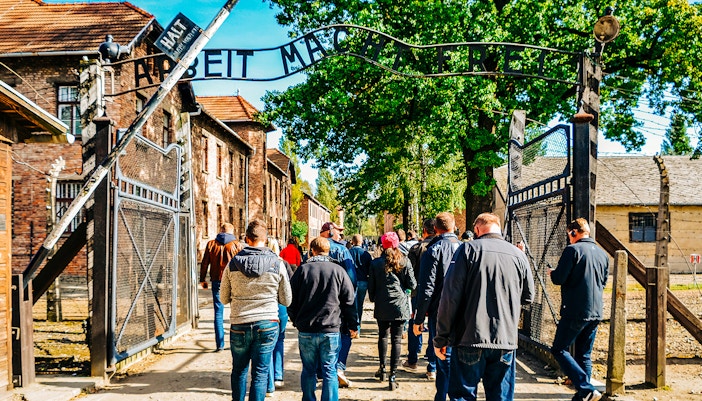
Commemoration signs at Auschwitz serve as powerful reminders of the atrocities committed during the Holocaust. These signs are placed throughout the site, including at important locations like the entrance gate, with the infamous slogan "Arbeit Macht Frei" (Work Sets You Free).
Inside Auschwitz | Uncovering the Harrowing History Behind the Barbed Wires
Auschwitz was a concentration camp established by the Nazis in occupied Poland during World War II. It was the largest and deadliest camp, where over 1.1 million people were murdered, mostly Jews. Today, tourists visit the site to pay their respects, learn about the atrocities committed there, and reflect on the importance of tolerance and human rights.
Inside Auschwitz Birkenau
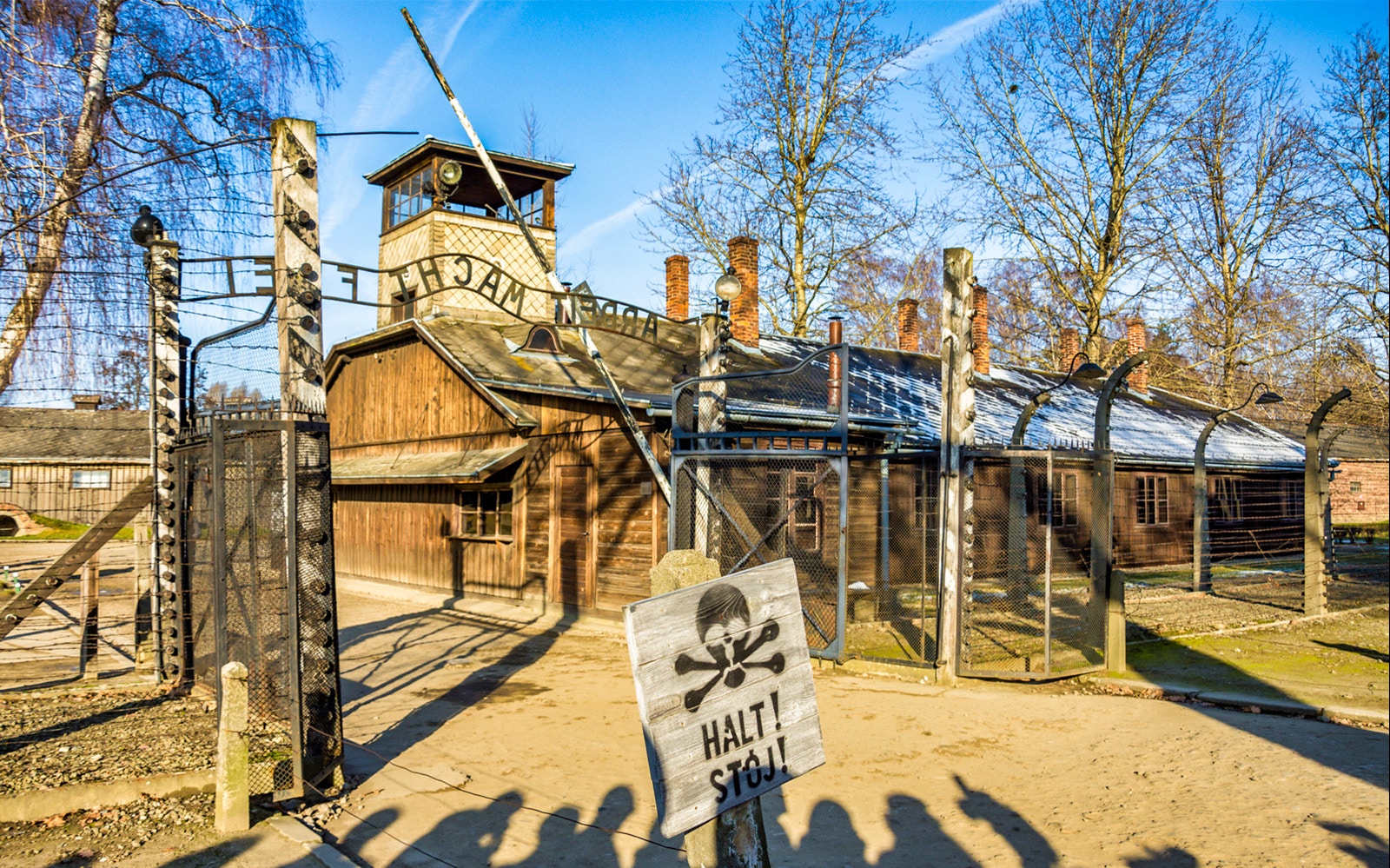
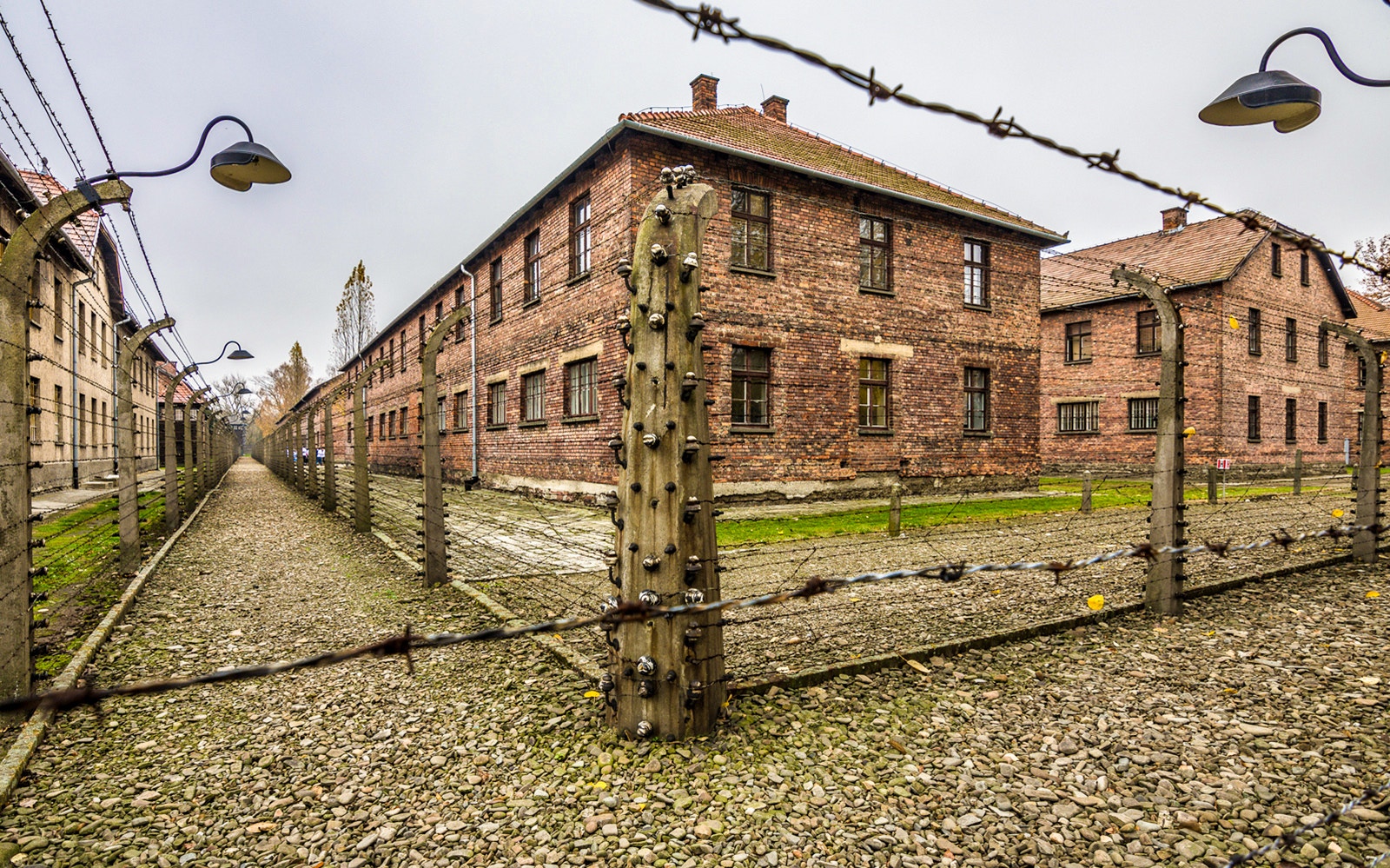
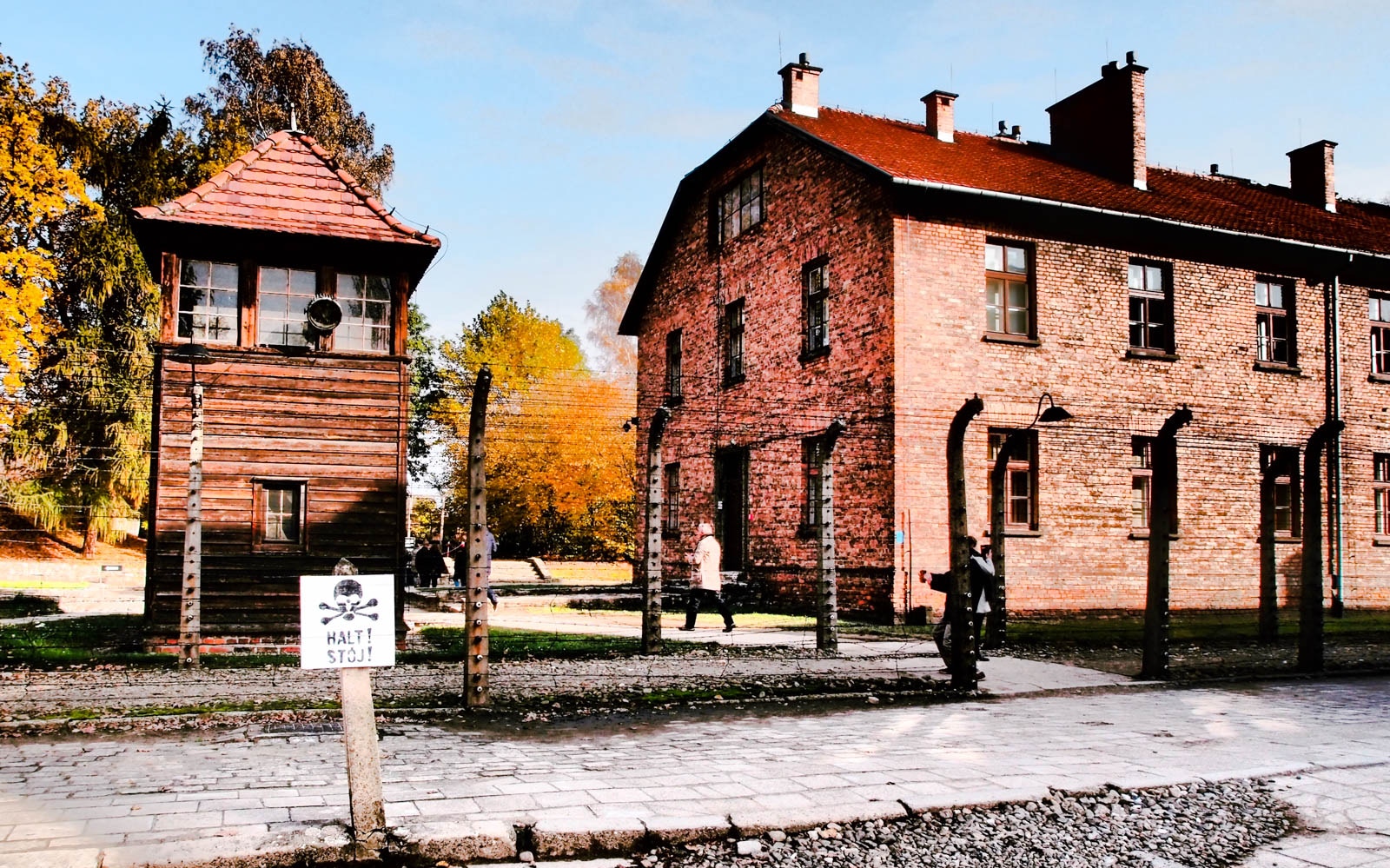
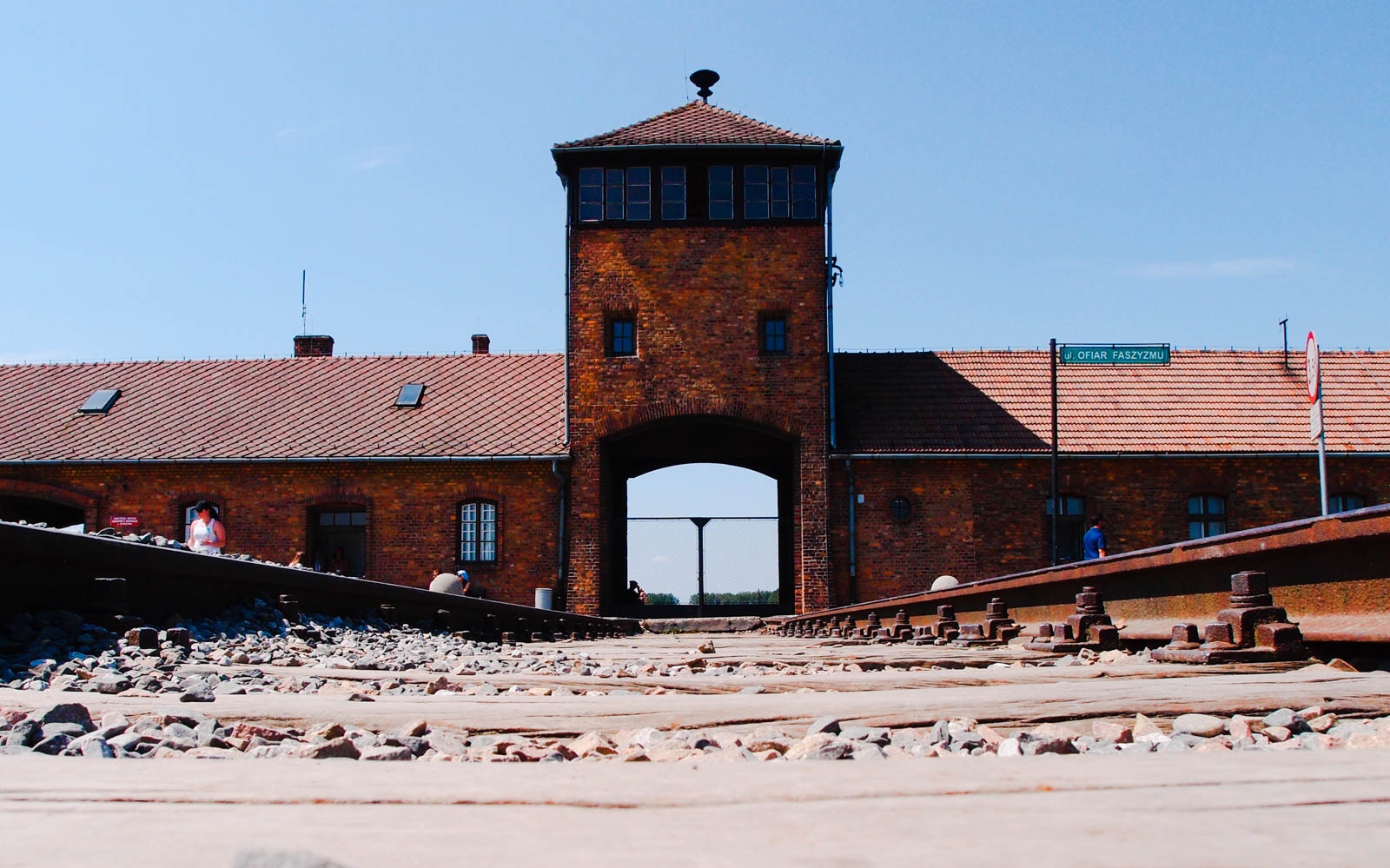
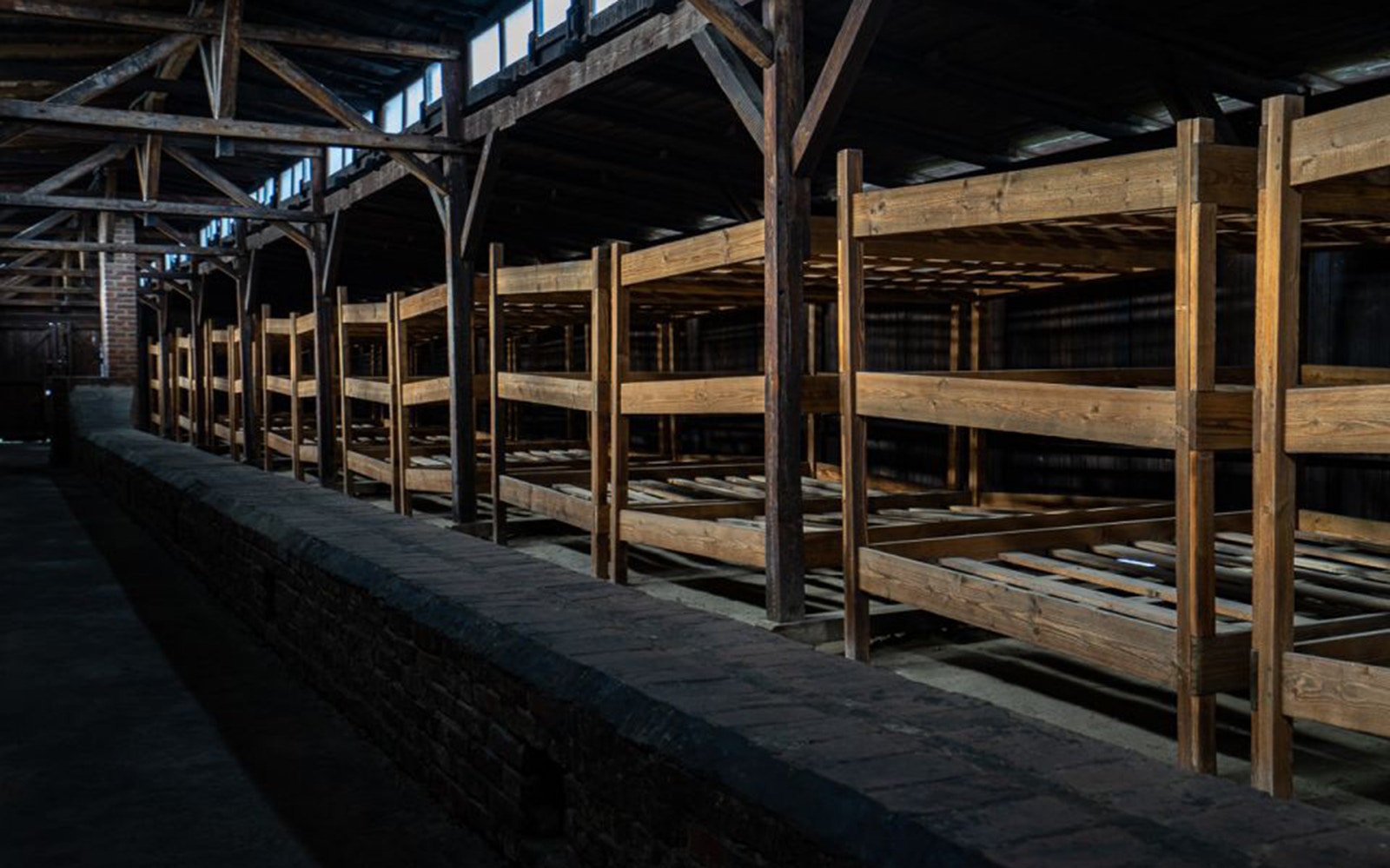
What’s inside Auschwitz Birkenau concentration camp?
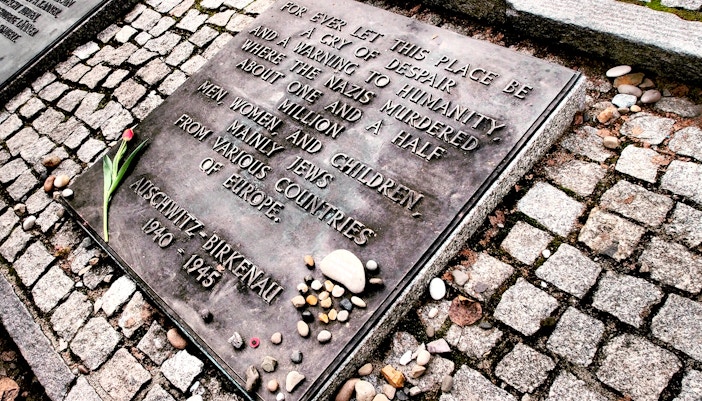
Commemoration Signs
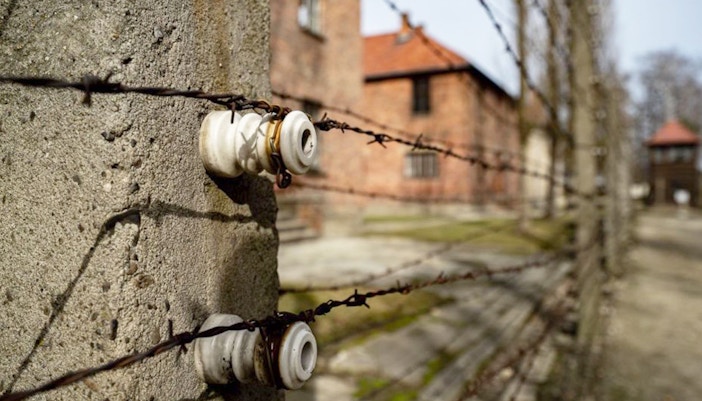
Auschwitz Block 4 (The Extermination Area)
Block 4 housed the first gas chamber, where thousands of innocent people, mostly Jews, were murdered by the Nazis. Victims were led into the gas chamber under the pretense of being given a shower, only to be killed by Zyklon B gas, and were later burned in the crematorium.
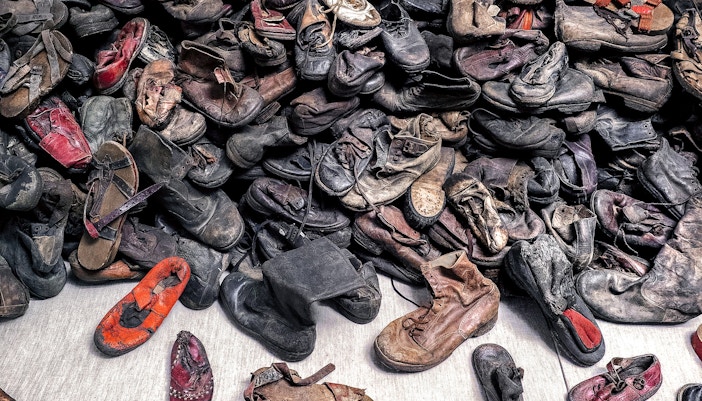
Auschwitz Block 5
Block 5 is a part of the Auschwitz Museum, where visitors can see thousands of personal belongings, like shoes, clothing, eyeglasses, and suitcases that were confiscated from the prisoners. The items on display give visitors a visceral understanding of the brutality of the Holocaust.
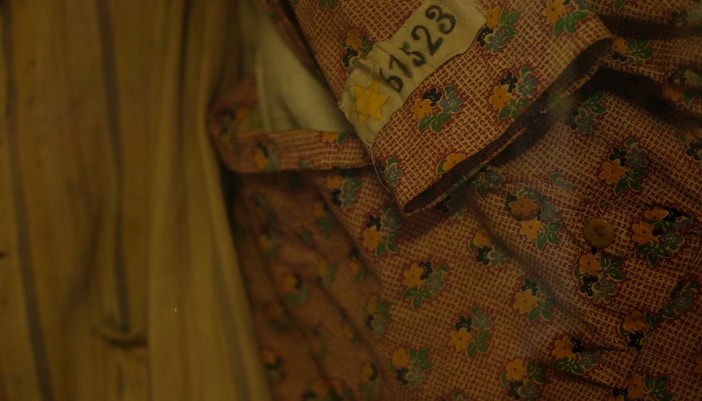
Auschwitz Block 6
Block 6 at Auschwitz I is a museum exhibit that displays the personal belongings and replicas of wooden bunks to show the living conditions of prisoners. The exhibit serves as a haunting reminder of the unimaginable suffering of the millions who perished in the mass extermination at Auschwitz.
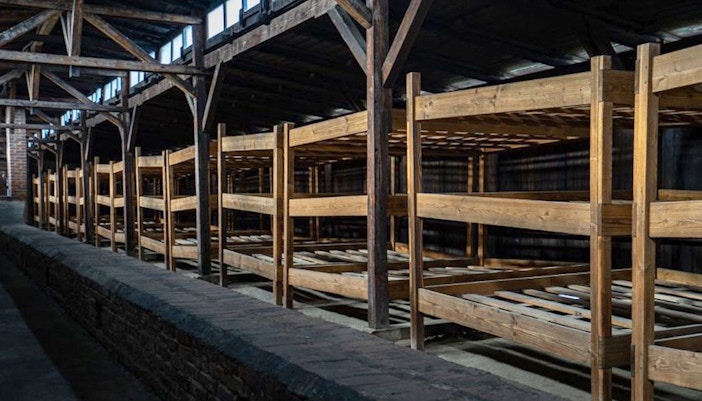
Auschwitz Block 7
Block 7 at Auschwitz I is a museum exhibit that includes information about the cramped living conditions, the inadequate and often nonexistent sanitation facilities, and the spread of diseases within the camp. Visitors can see replicas of the bunk beds and the primitive latrines used by the prisoners.
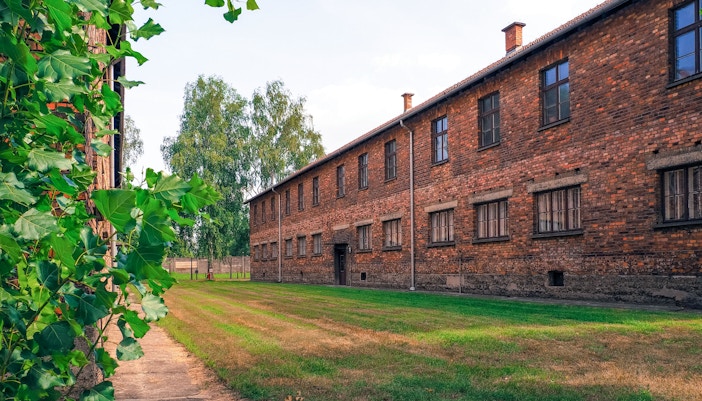
Auschwitz Block 10
Block 10 is where Dr. Josef Mengele, the "Angel of Death," with a team of doctors, conducted his gruesome medical experiments and studies on prisoners during the Holocaust. The chilling equipment and documents on display offer a glimpse into the horrors inflicted upon inmates.
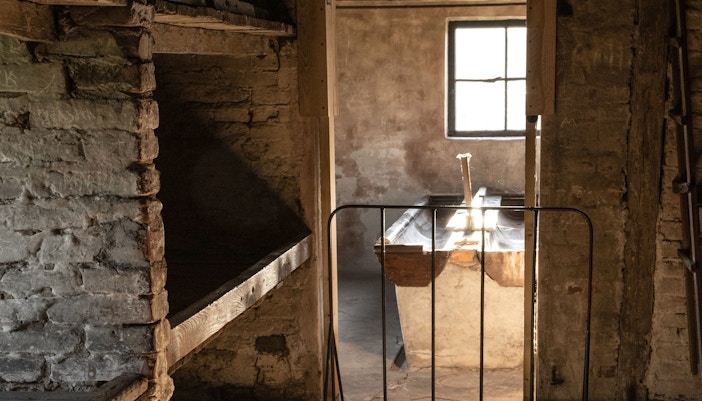
Auschwitz Block 11
This is where prisoners faced punishments in standard, dark, or standing cells, resulting from acts of sabotage, interaction with civilians, escape attempts, or assistance to escapees. The harshest form of punishment was confinement in a standing cell, measuring less than 1 square meter with minimal ventilation.
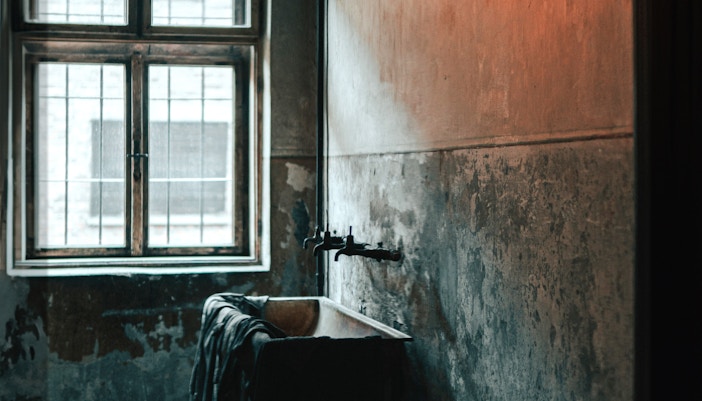
Auschwitz Block 25
Block 25 within Auschwitz served as an isolation facility, designated for female detainees identified by SS doctors as unfit for further labor within the concentration camp. When the population of female prisoners reached a critical point, they were relocated to gas chambers to meet their tragic fate.
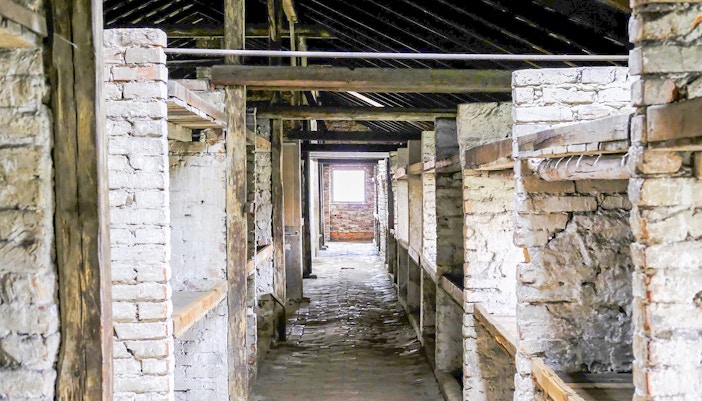
Death Block
Block 11 at Auschwitz I, also known as the death block, was used to deliver various forms of punishment, including torture, executions, and standing cells. It also housed a basement prison, known as ‘the bunker,’ where prisoners were held in solitary confinement and subjected to extreme torture.
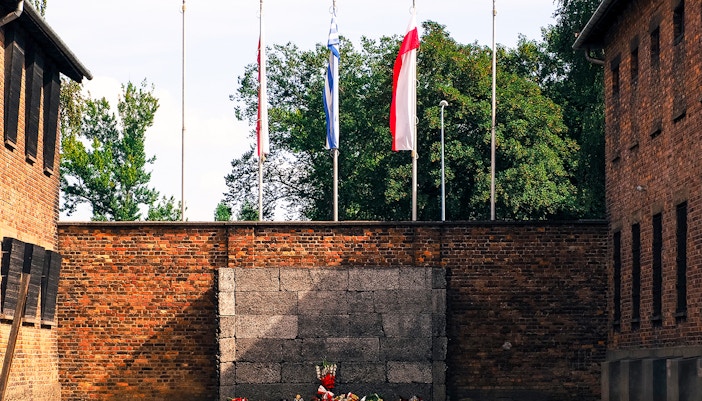
Death Wall
The Death Wall at Auschwitz Birkenau is a reconstructed portion of the original wall where thousands of innocent prisoners, mostly Jews, were executed by the Nazis. The wall was rebuilt after the war to serve as a poignant reminder of the atrocities that took place at the concentration camp.
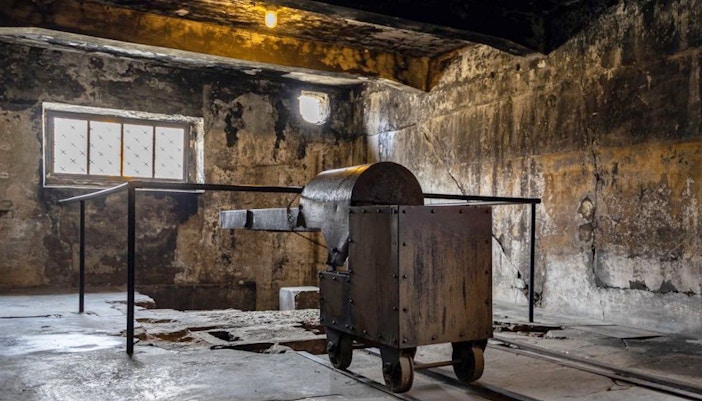
Gas Chamber I
Crematorium I and the first gas chamber in Auschwitz I was used by the Nazis to carry out mass exterminations of prisoners during the Holocaust. The gas chamber was disguised as a shower room, and once the prisoners were inside, Zyklon B gas was released, killing them within minutes.
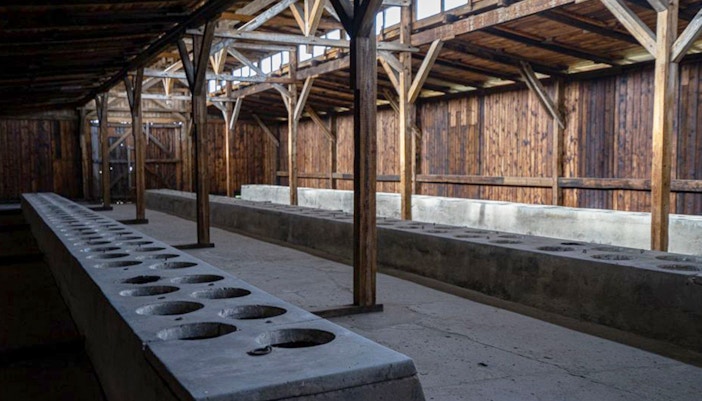
Central Camp Baths
The permanent exhibition in the central camp sauna building serves as a poignant reminder of the Holocaust atrocities. It displays various artifacts, photographs, and documents that provide a glimpse into the daily lives of prisoners, including their living conditions, medical experiments, and forced labor.
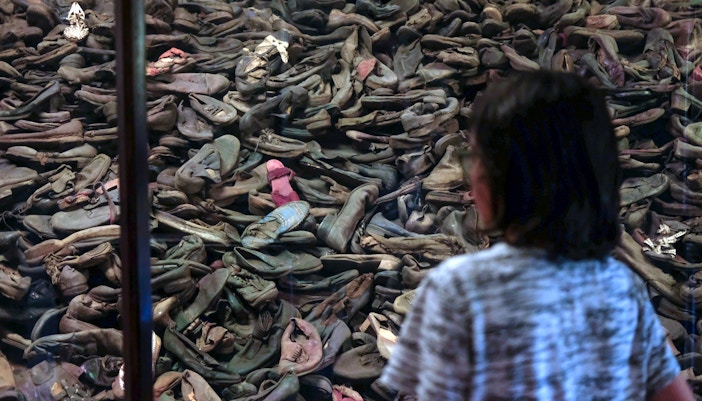
Shoes at Auschwitz
Witness the haunting exhibit of shoes at Auschwitz. Piled high, these shoes were once worn by prisoners, each bearing a silent testimony to the lives that were lost. It's a powerful yet somber experience that reminds us of the tragedy that unfolded here.
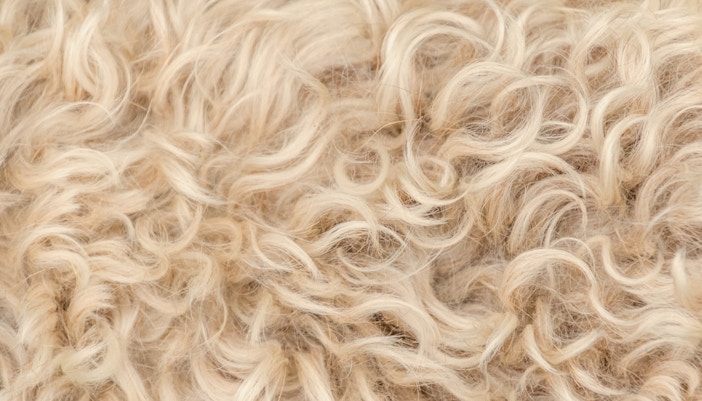
Auschwitz Room of Hair
In the Room of Hair, you'll confront a mountain of human hair, a disturbing testament to the unimaginable scale of suffering. The hair was either shaved off the prisoners when they arrived at the concentration camp or after they were brutally killed.
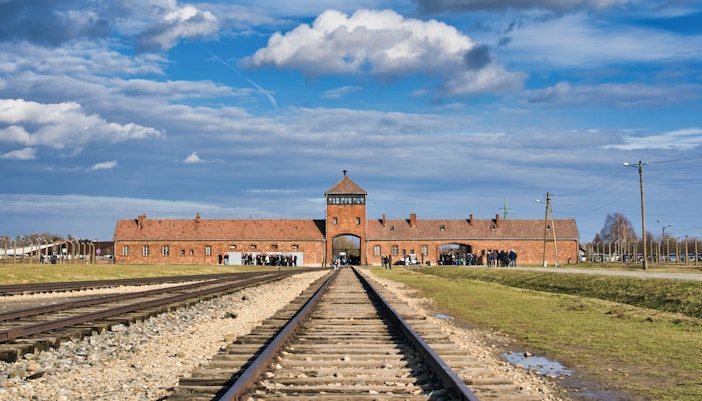
Auschwitz Train Tracks
The haunting train tracks at Auschwitz symbolize the arrival of countless innocent victims to the concentration camp. It's where countless families were forcibly separated, marking the beginning of their tragic journey into the unknown.
How to get inside Auschwitz-Birkenau concentration camp?
- Entry to the Auschwitz memorial site (Auschwitz I and Auschwitz II Birkenau) is free of charge. Since Auschwitz receives a large number of visitors throughout the year, we recommend you book Auschwitz guided tours online in advance to ensure that you have a tour guide on the day of your visit.
- Auschwitz has 2 entrances: the Main Entrance and the Hell's Gate entrance. The main entrance is most often used by visitors to enter Auschwitz.
Auschwitz Birkenau visitor tips & guidelines
- Plan ahead: Auschwitz Birkenau is a popular destination, so Auschwitz tickets can sell out quickly. Plan ahead and book your tours online in advance.
- Take a guided tour: A guided tour of Auschwitz can help you understand the history of the site and the significance of the various exhibits and structures.
- Allow plenty of time: Auschwitz Birkenau has several exhibitions and blocks to explore, so make sure to keep a few hours on hand to explore the site at your own pace. Spending a day in Auschwitz is a good idea if you are not short on time.
- Don't bring large bags: Large bags, backpacks, and purses are not allowed inside the exhibits. Only small bags are allowed, and they will be subject to security checks.
- Respect the site: Auschwitz is a memorial site built to honor the thousands who perished in the Holocaust. Avoid taking selfies or engaging in inappropriate behavior.
- Be prepared for an emotional experience: As a memorial site constructed to honor the thousands of prisoners, mostly Jews, who were slaughtered during the Holocaust, many visitors find their Auschwitz experience to be emotional and intense. If you feel overwhelmed, take breaks. Try to prepare yourself in advance and take time to process your feelings.
- Study up on Auschwitz history: Before you visit Auschwitz, conduct some research on its historical background. Exploring the abundant resources, including films and documentaries on Auschwitz, can provide valuable insights into its history, ensuring a more meaningful and informed experience during your visit. Some popular books on Auschwitz are also available online.
Frequently asked questions about what’s inside Auschwitz.
Inside the Auschwitz Birkenau concentration camp, you can see the remains of barracks, gas chambers, and crematoria, as well as exhibitions of artifacts, photographs, and documents that tell the stories of the people who were imprisoned there.
Yes, you can book Auschwitz tours and explore the exhibits, blocks, and remains of barracks inside the concentration camp.
The Auschwitz Birkenau concentration camp is quite big. It has a total area of about 40 square kilometers or 15 square miles.
Yes, you can book Auschwitz tours to explore the exhibits and remains of the concentration camp. Having an experienced tour guide along for the visit would help you to understand the extent of the brutality of the Holocaust.
Yes, children are allowed to visit Auschwitz. However, it is not recommended for children under the age of 14 years.
Yes, most parts of the Auschwitz Birkenau camp are fitted with ramps to make it wheelchair accessible. You can also reach out to guards to assist wherever necessary.
No, you can enter the Auschwitz Memorial camp (Auschwitz I and Auschwitz II Birkenau) without a ticket. It has free entry throughout the year.
You can take pictures of the exhibits inside Auschwitz, as long as it is for personal use and does not involve the use of flash or stands. However, there are two areas where photography is prohibited: the hall with the hair of victims (Block 4) and the basements of Block 11.
Auschwitz is a memorial site built to honor those who perished in the Holocaust. While it does not have a dress policy, you should wear respectful attire.
Yes, if you are interested in history, the World Wars, and the Holocaust, you must pay a visit to Auschwitz to witness the brutality of the genocide and pay your respects to those who passed away due to those atrocities.