Auschwitz History | Understanding the Systemic Killing of Jews & Tracing the Roots of the Holocaust

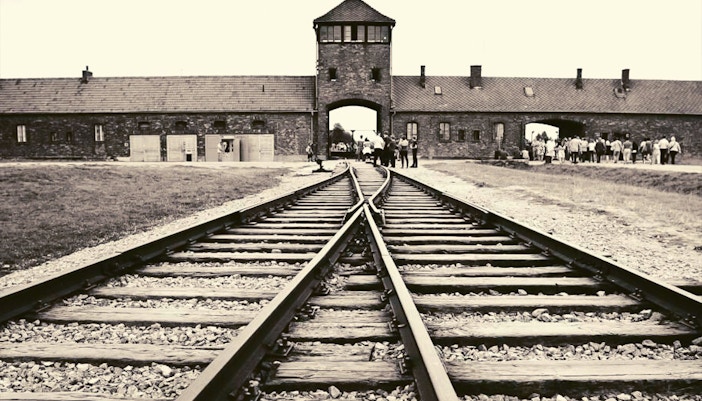
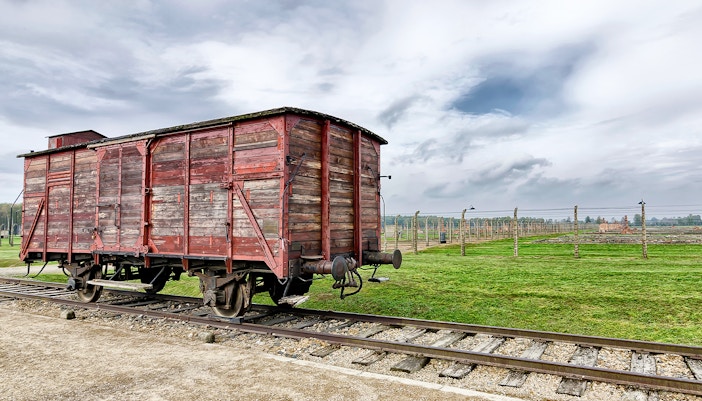
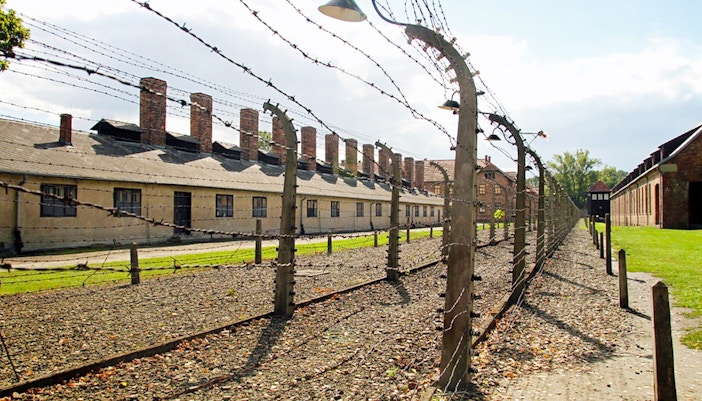
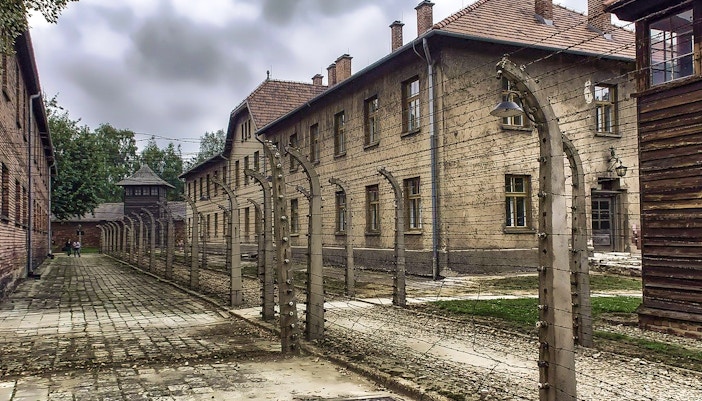
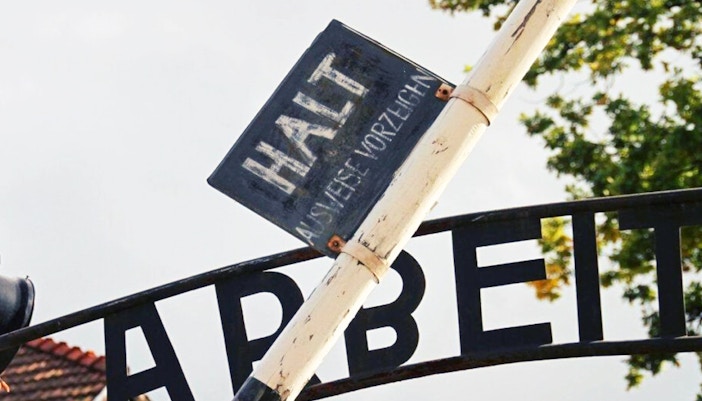
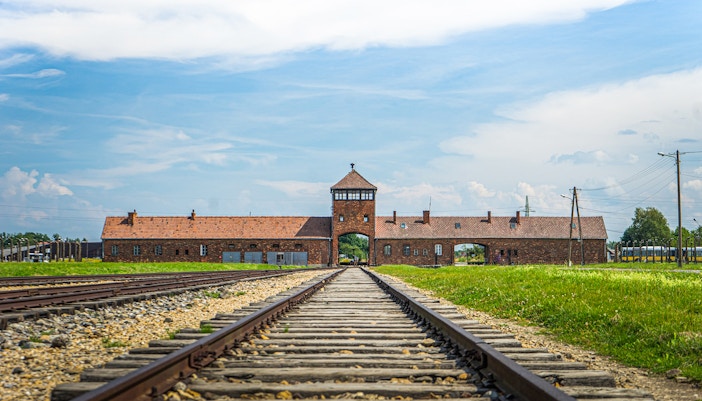
Auschwitz Birkenau was the largest Nazi concentration camp during World War II, where millions of people, mostly Jews, died due to inhumane living conditions, torture, and medical experiments. Many of them were systematically murdered in gas chambers. The camp is divided into two sections, Auschwitz I, and Auschwitz II-Birkenau, and serves as a powerful reminder of the atrocities committed during the Holocaust.

Auschwitz-Birkenau timeline

  • 1940: Auschwitz I opened as a concentration camp for political prisoners.
  • 1942: Mass deportations of Jews from across Europe to Auschwitz Birkenau began. The first gas chamber became of use. 
  • 1943: The Auschwitz concentration camp became a major center for the extermination of Jews. Auschwitz III-Monowitz was established.
  • 1944: The Hungarian Jews were deported to Auschwitz Birkenau, and the gas chambers were operating at full capacity. The Sonderkommando rebellion took place in October.
  • 1945: The Soviet Army liberated Auschwitz Birkenau. More than 7,000 prisoners were found alive.
  • 1947: The Polish government established the Auschwitz Birkenau State Museum on the site of the former camp.
  • 1979: Auschwitz Birkenau was designated a UNESCO World Heritage site.
  • Present: Visitors from all over the world visit Auschwitz-Birkenau as a place of remembrance and reflection. It continues to be a potent symbol of the Holocaust.

Auschwitz history explained

Auschwitz I established

1940

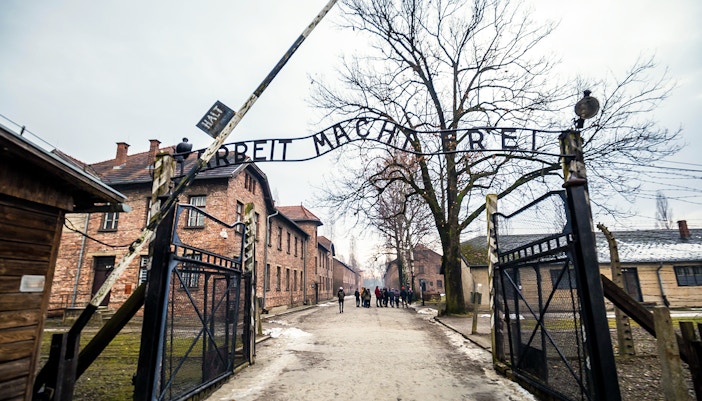
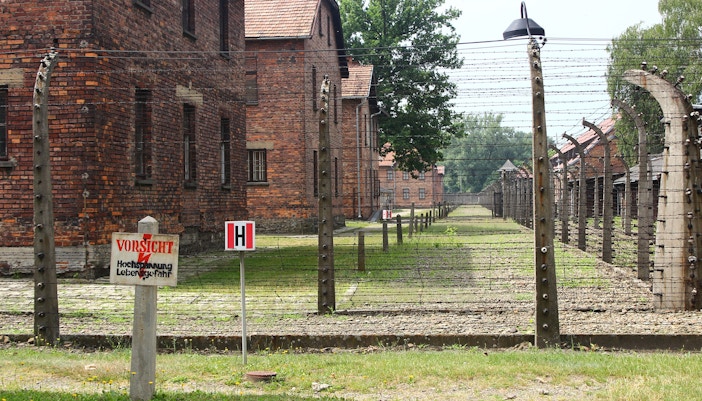
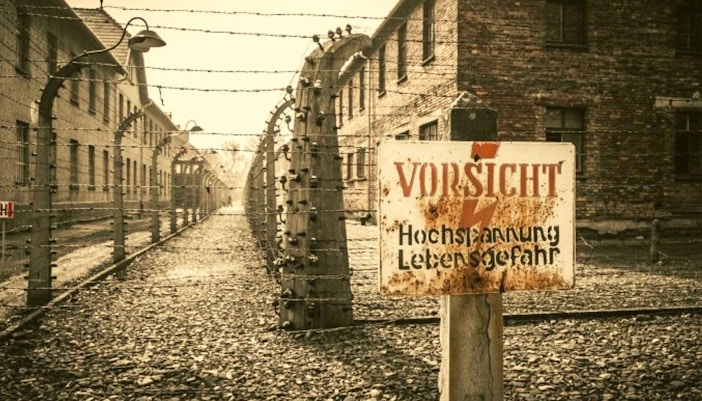
Auschwitz I became operational as a concentration camp for political prisoners. Initially, the camp was intended to hold Polish prisoners, but it was later expanded to include other groups deemed ‘enemies of the state’. These included Soviet prisoners of war, Roma, homosexuals, and others who were considered a threat to the Nazi regime.
Auschwitz Birkenau II established

1941

Construction of Auschwitz II-Birkenau began. This expansion was part of the Nazis' plan to establish a larger, more efficient killing center. Birkenau was designed to hold up to 100,000 prisoners and had several gas chambers and crematoria.

Mass deportation began

1942

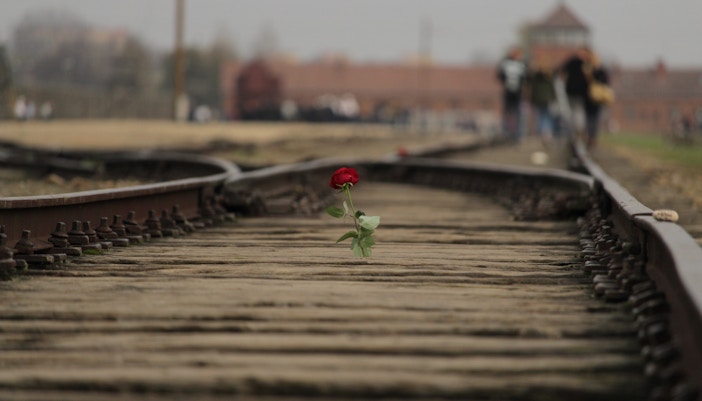
The arrival of thousands of Jews marked the beginning of the systematic extermination of Jews at Auschwitz Birkenau. The Nazis used Zyklon B gas to kill victims in the gas chambers, which were disguised as shower rooms. The victims passed away within minutes, after which, they were cremated.

Auschwitz became a major concentration camp

1943

By this point, Auschwitz Birkenau had become the largest and deadliest Nazi concentration camp. Many Jews were transported to Auschwitz from other countries, including France, Belgium, and the Netherlands.

Many hungarian Jews were deported

1944

Several Hungarian Jews were deported to Auschwitz-Birkenau, and the gas chambers in Auschwitz were operating at full capacity. In May and June of 1944, more than 400,000 Hungarian Jews were transported to Auschwitz and Birkenau, where most were immediately sent to the gas chambers. Some were used as forced laborers, but many died of starvation or disease.

Sonderkommando Rebellion took place

October 1944

The Sonderkommandos were Jewish prisoners who were forced to work in gas chambers and crematoria. In October 1944, they staged a rebellion and blew up one of the crematoria. Most of the rebels were killed, but the rebellion inspired others to resist the Nazis in the final months of the war.

Soviet army liberated Auschwitz

January 1945

The Soviet Army arrived at Auschwitz Birkenau on January 27, 1945. They found more than 7000 prisoners who were sick, malnourished, and dying. Many were too weak to leave the camp and died in the weeks after the liberation of Auschwitz.

Auschwitz Birkenau State Museum established

1947

The Polish government established the Auschwitz-Birkenau State Museum on the site of the former camp. The museum was established to preserve the site and educate visitors about the horrors that took place there. The museum includes exhibits on the history of the camp, the victims, and the perpetrators.

Auschwitz declared a UNESCO World Heritage Site

1979

Auschwitz Birkenau was designated a UNESCO World Heritage site. The site was recognized for its historical significance and the need to preserve it for future generations. The designation helped raise awareness about the importance of remembering the Holocaust and the need to combat genocide.

Auschwitz Birkenau today

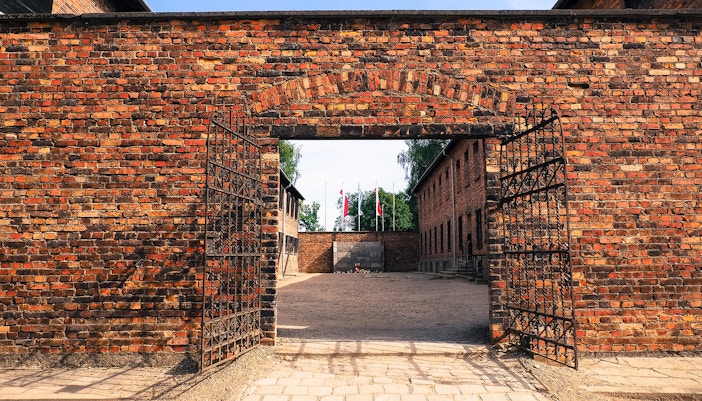
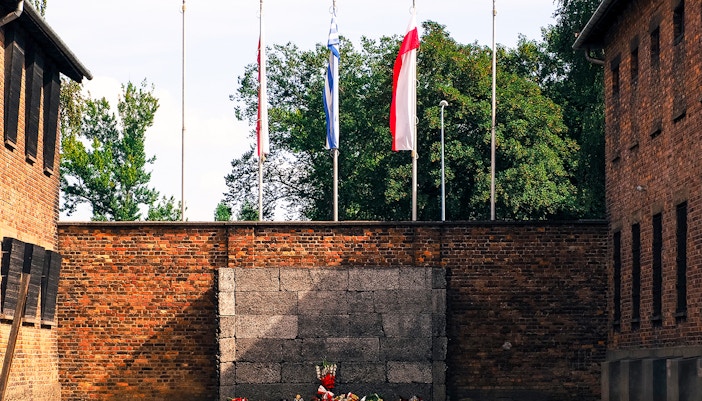
Auschwitz Birkenau stands as a powerful symbol of the Holocaust, reminding us of the horrors of the Nazi regime and the atrocities committed against millions of innocent people. Today, it serves as Auschwitz Birkenau Memorial and Museum, attracting visitors from all over the world who seek to pay their respects, learn about the past, and honor the memory of those who suffered and died there. Auschwitz museum is an integral part of the history and culture of Poland and a must-visit for anyone seeking to understand the impact of the Holocaust.

Auschwitz Birkenau Memorial and Museum

Frequently asked questions about Auschwitz history

The Auschwitz-Birkenau camp was established in 1940, making it over 80 years old.

More Reads

Auschwitz Opening Hours

Book Now

Plan Your Visit to Auschwitz Birkenau

Book Now

About Auschwitz Memorial Museum

Book Now