How to Visit Auschwitz-Birkenau

What’s the overall experience like?

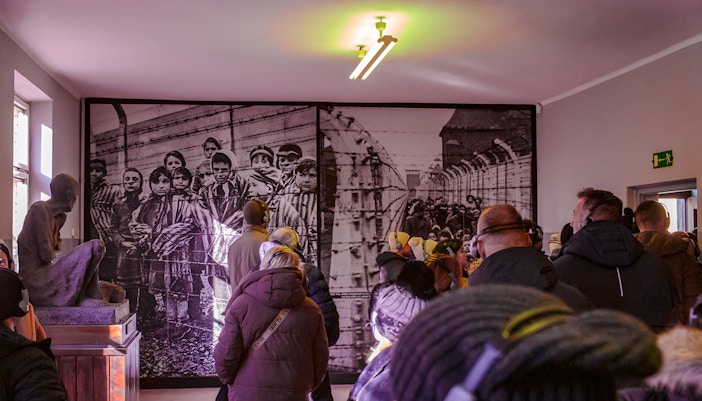
Auschwitz-Birkenau isn’t a typical museum visit, it’s a sobering walk through history across two vast sites: Auschwitz I and Auschwitz II–Birkenau. It’s emotionally heavy, historically dense, and best approached with time and mental space to process. Planning your route and entry in advance helps you move through it respectfully and meaningfully.

Navigating your way

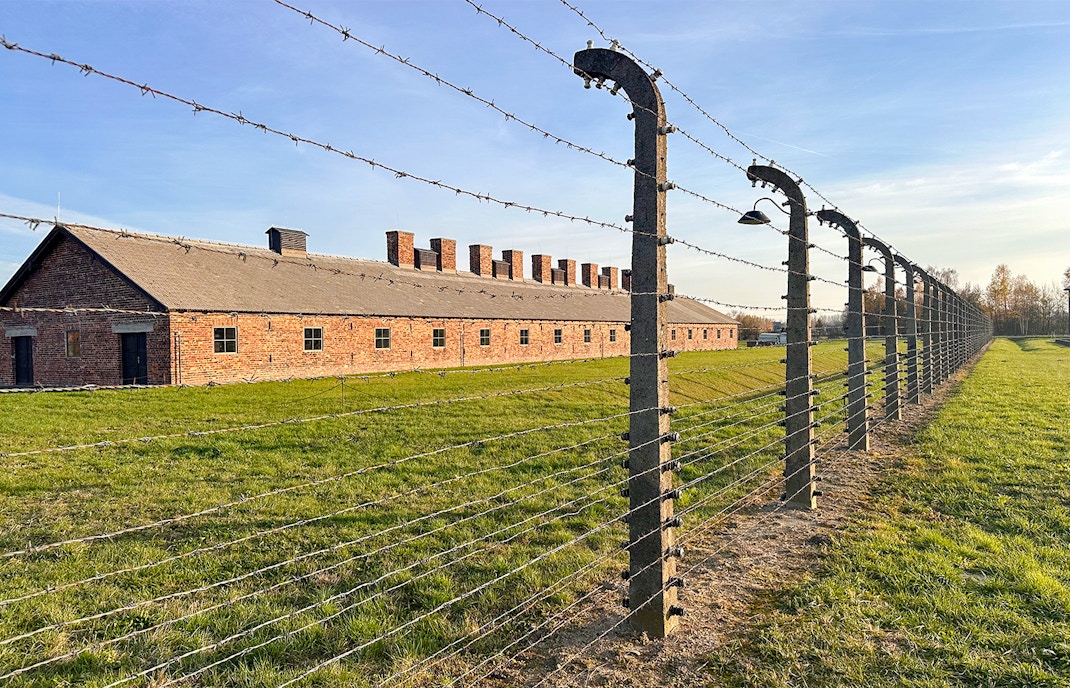
Two sites, one story, Auschwitz I and Birkenau (Auschwitz II) lie 3 km apart, connected by a free shuttle. With a little planning, it’s easy to cover both meaningfully.

over both meaningfully.

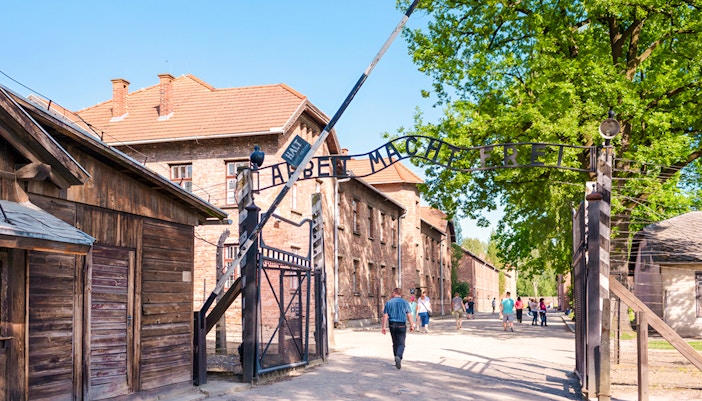
Entry via ul. Więźniów Oświęcimia 20, beside the Visitor Service Center. All guided tours and individual entries start here. Arrive ~30 minutes early for security checks and orientation before beginning your visit through the exhibitions and preserved blocks.

Continue to Birkenau (Auschwitz II)

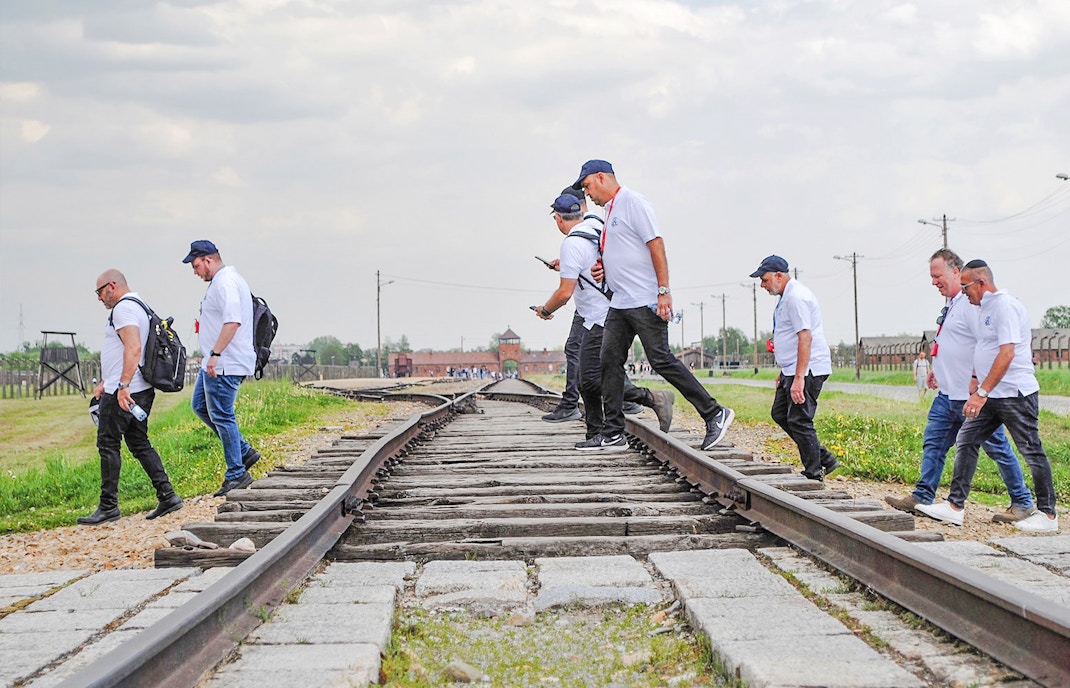
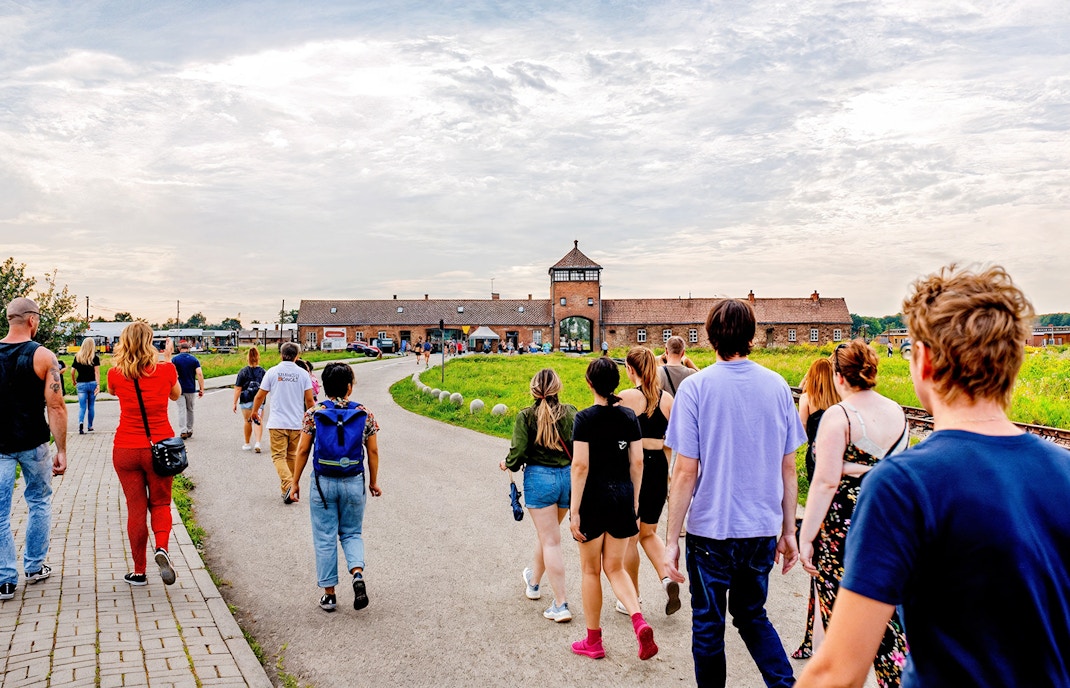
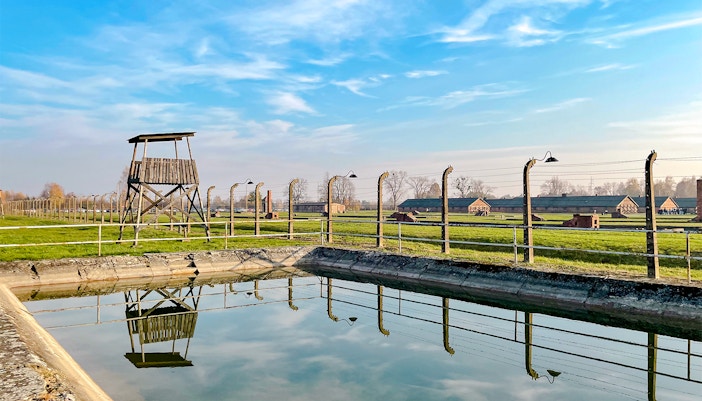
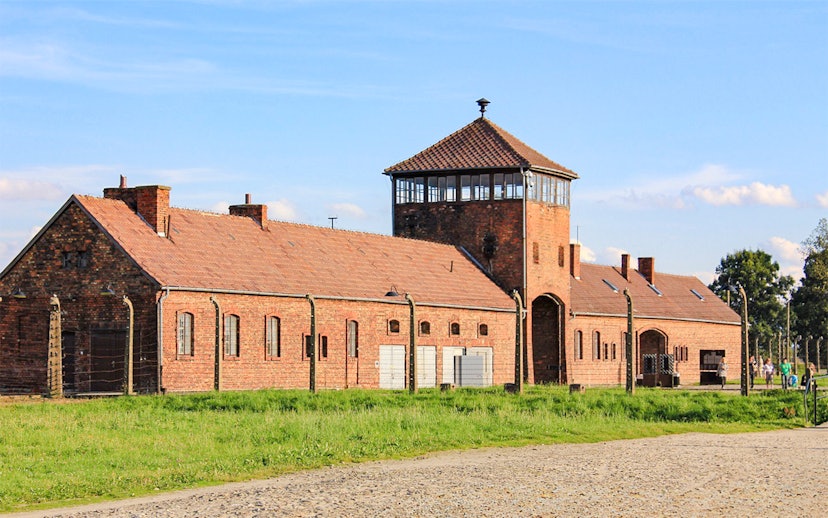
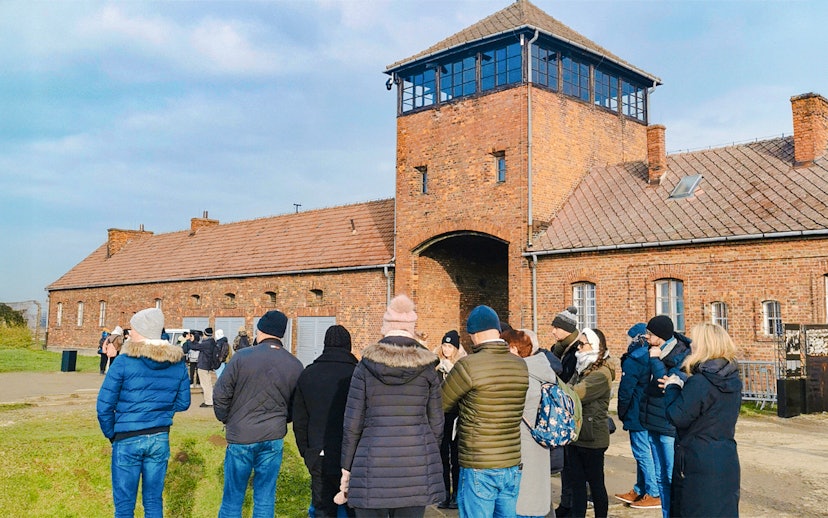
Located in Brzezinka village, about 10 minutes away by shuttle. This vast open-air site includes the railway ramp, prisoner barracks, and crematoria ruins. The experience is self-guided and emotionally heavier; allow at least an hour for quiet exploration and reflection.

Orientation tools

Download the Auschwitz Memorial app for GPS-based navigation, detailed maps, and on-site historical commentary to help you move between both camps smoothly.

Learn the story, honor the memory

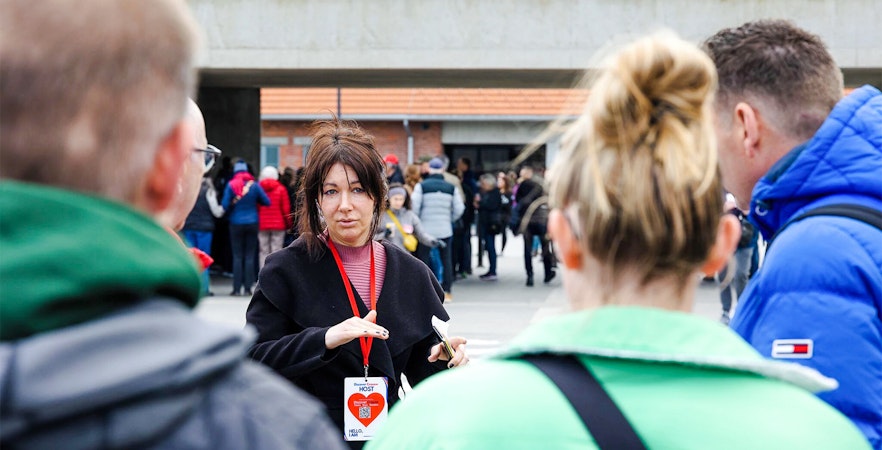
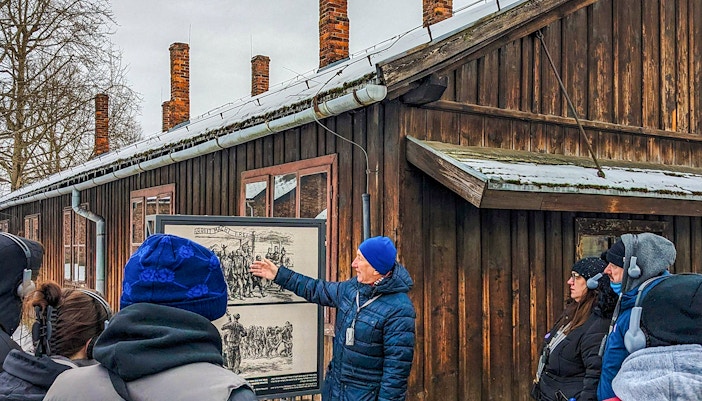
The Auschwitz experience is vast and emotionally complex, a guided visit adds vital context, historical framing, and helps you move between Auschwitz I and Birkenau without logistical stress, transforming the visit from a visual experience into an informed remembrance.

How to make the most of your time

Visit type DurationRouteWhat you get

Snapshot visit

2–3 hours

Auschwitz I (Main Gate → Blocks 4–11 exhibitions → Courtyard of Death).

A concise introduction to the site’s history and human stories, covering the most significant museum blocks and preserved evidence of daily life and atrocities.

Half-day visit

4–5 hours

Auschwitz I (key blocks + exhibitions) → Shuttle → Birkenau (railway ramp → women’s barracks → memorial).

A complete view of both camps, understanding the transition from Auschwitz I’s administration to Birkenau’s scale of extermination. Balanced for most visitors.

Full-day immersion

6–7 hours

Auschwitz I (guided visit through full exhibition route) → Birkenau (extended walk to crematoria ruins and watchtower climb).

The most comprehensive experience — ideal for history enthusiasts or educators who want to grasp the site’s full geography, evolution, and emotional weight.

Handy tips

  • Reserve well in advance: Standard tickets often sell out 1-2 weeks in advance while guided tours often sell out 2 months ahead, especially in peak season.
  • Choose a guided tour over free entry: Free unguided visits are limited to late afternoons and offer little context. A guided tour provides in-depth narration, seamless transport between sites, and a far more meaningful experience.
  • Pick an early slot: Mornings are quieter and less crowded, letting you move through the sites more peacefully.
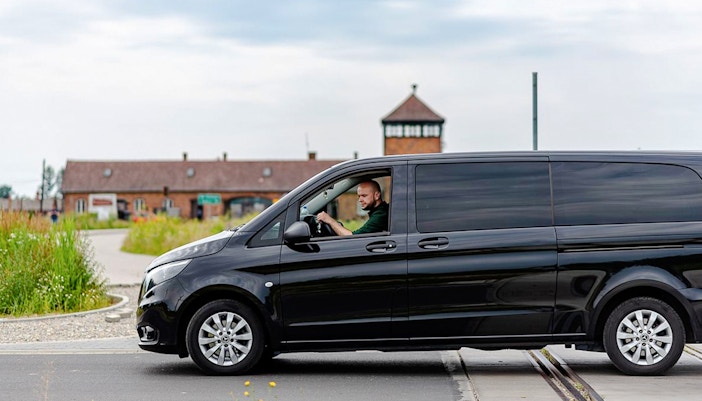
  • Choose a Krakow transfer: Auschwitz-Birkenau is located on the outskirts of Oświęcim in southern Poland. Transfers from Krakow save you from parking issues and ensures you reach on time for your timed entry.
  • Arrive early for your slot: Entry times are strictly enforced; being 30 minutes early avoids any stress.
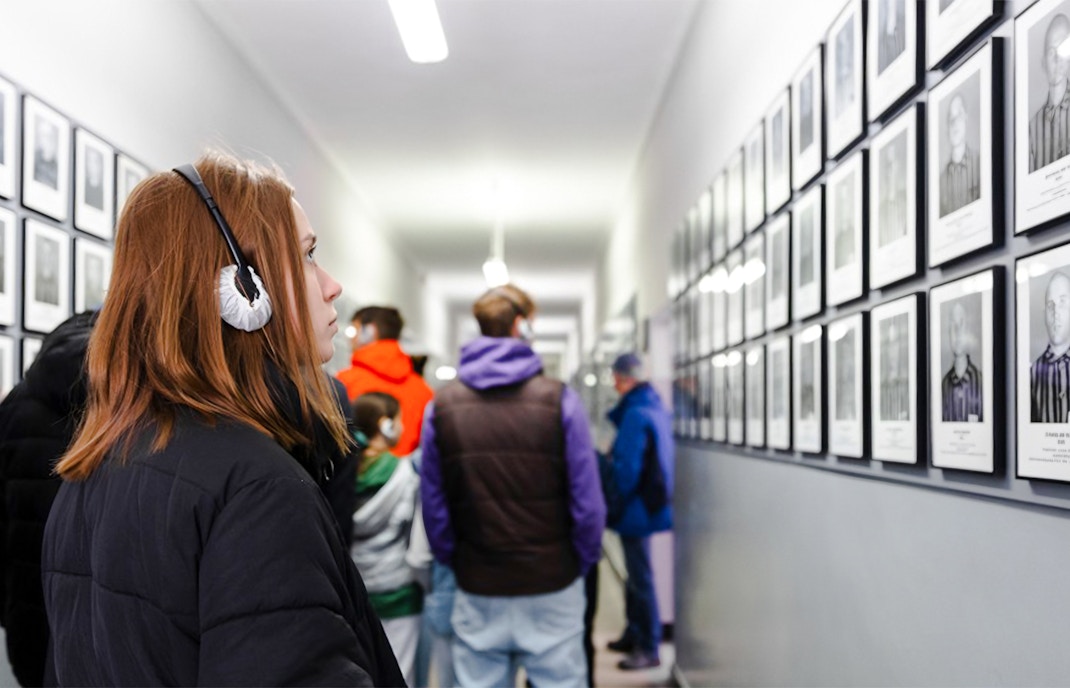
  • Bring your own wired earphones: They work better with the guide’s receiver system for clear narration.
  • Travel light: Bags larger than 30x20x10 cm aren’t allowed inside, storage space is limited.
  • Plan downtime afterward: The visit can be emotionally heavy; keep your schedule light for the rest of the day.
  • Facilities at Auschwitz-Birkenau are intentionally basic: You’ll find restrooms near the entrance and at a few key points, but expect minimal seating and shelter during your walk through the historic outdoor areas — plan accordingly.

Explore Auschwitz-Birkenau

Across two hauntingly preserved sites, Auschwitz-Birkenau invites reflection through original barracks, watchtowers, exhibitions, and memorials that testify to history’s darkest chapter.

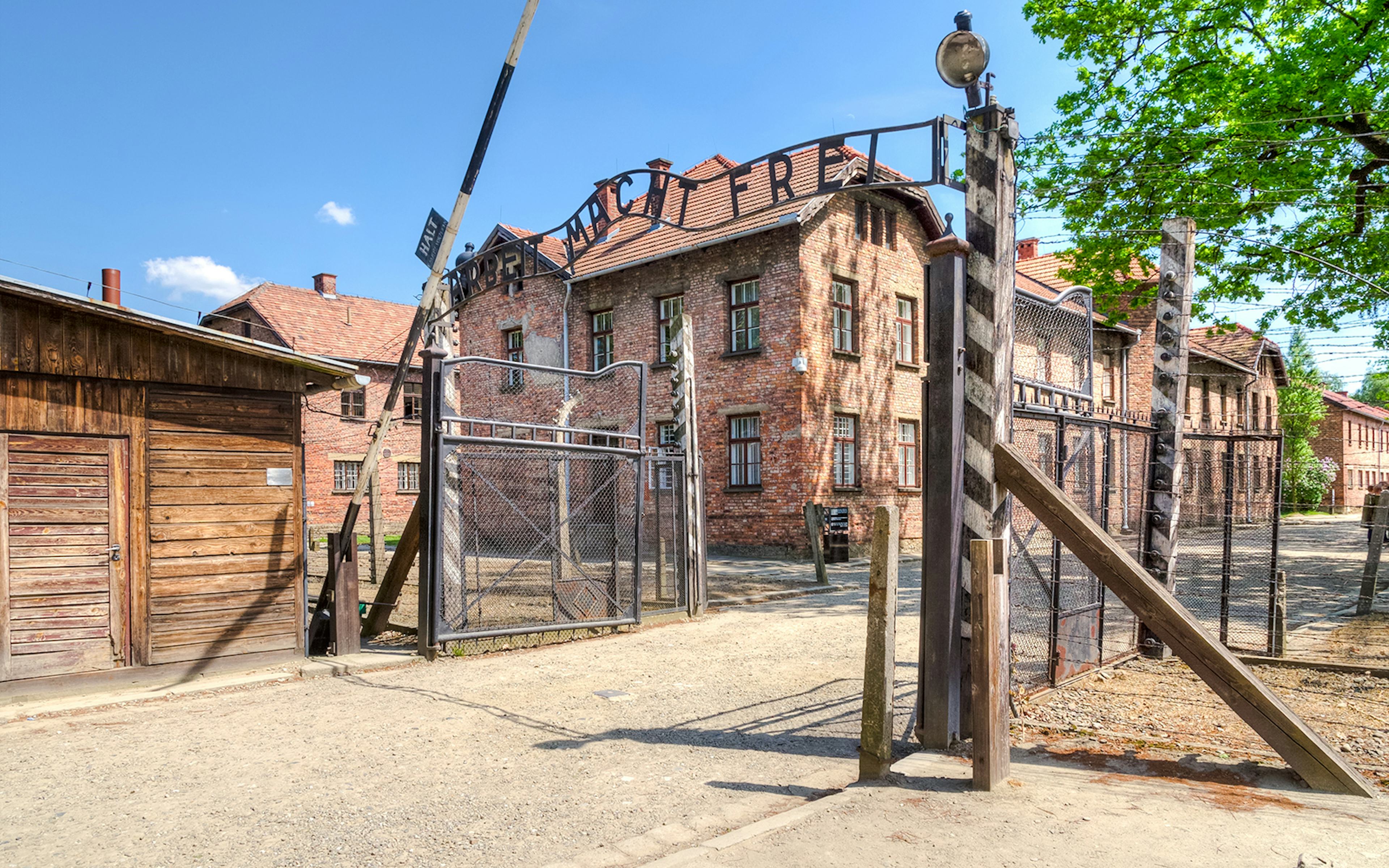
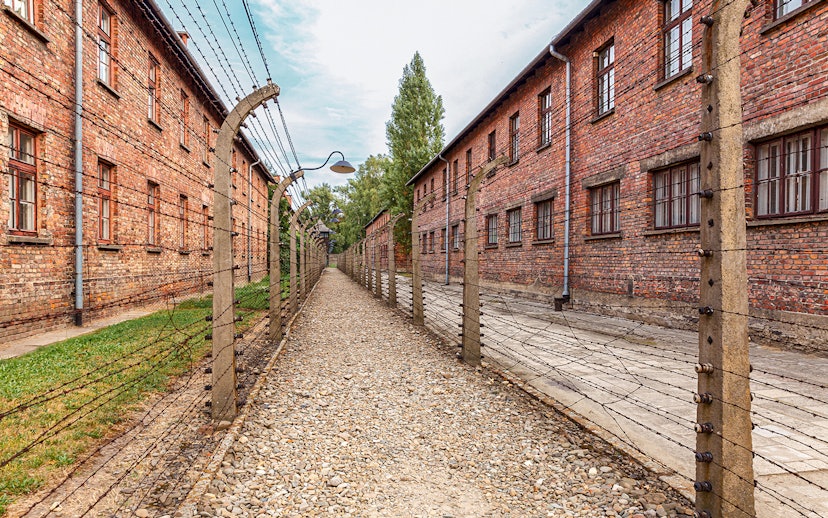
Auschwitz I – Main Camp

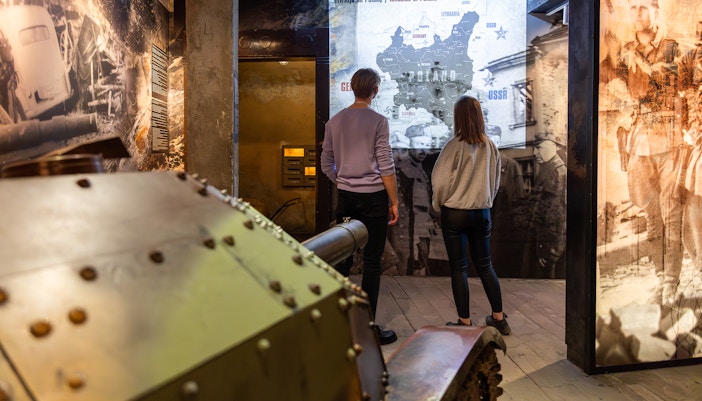
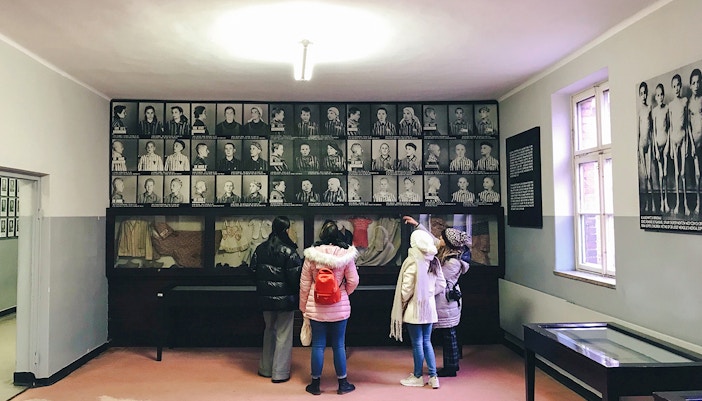
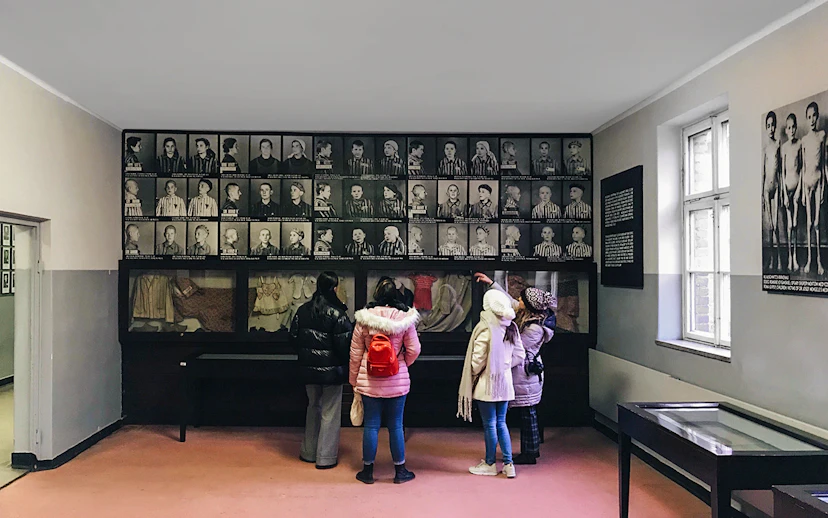
he original complex turned into a museum, where the story of the Holocaust unfolds through artifacts, documents, and personal testimonies.
What to look out for: Gate “Arbeit Macht Frei”, Block 11, Crematorium I
👉Step inside the Auschwitz I

Birkenau (Auschwitz II)

A vast open site showing the full scale of extermination operations, with remnants of gas chambers and the haunting railway track.
What to look out for: Main gate tower, wooden barracks, Memorial monument
👉 Discover Birkenau

Before you get there

Things to check before you reach Auschwitz-Birkenau

Know before booking your Auschwitz tickets

Choosing the right Auschwitz-Birkenau tour is crucial for a meaningful and hassle-free experience.

  • All pre-book tickets allow you timed-access while letting you bypass on-site ticket queues. 
  • Guided tours provide fast-track access with expert commentary and deeper historical context, especially valuable for understanding the significance of both Auschwitz I and Birkenau.​
  • Hotel pickups are available on select tours for added convenience, especially for those staying in Wroclaw and Krakow.
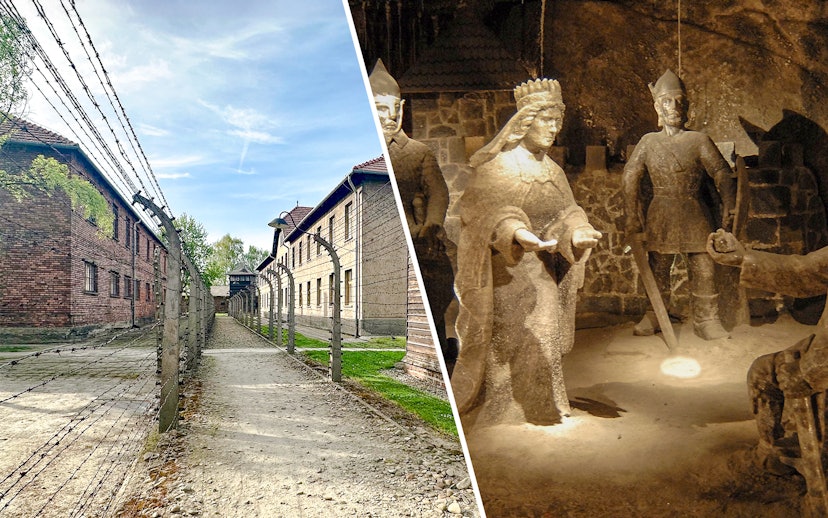
  • Combo tours of Auschwitz-Birkenau & Wieliczka Salt Mine allow you to visit two UNESCO sites in one day, maximizing your time and value.​
  • Group sizes vary, with smaller groups (up to 8) available for a more intimate experience, while larger groups maintain high-quality service.​
  • Accessibility is limited, and the experience is not recommended for children under 14 due to the site’s solemn nature.​

Auschwitz Tickets Explained

Ticket typeWhat’s includedBest forPrice from

Auschwitz-Birkenau Guided Tour with Fast-Track Tickets & Transfer Options

Fast-track entry, guided tour, round-trip transfers in AC vehicle

Visitors wanting quick entry and hassle-free transfers

€39

From Krakow: Auschwitz-Birkenau Guided Tour with Transfers

Guided tour, round-trip coach transfers from Krakow

Travelers based in Krakow seeking convenience

€39

From Krakow: Auschwitz-Birkenau Guided Tour with Hotel Transfers

Guided tour, round-trip coach transfers from Krakow + Hotel pick-up and drop-off

Door-to-door convenience with immersive visit

€42.25

From Krakow: Auschwitz-Birkenau & Wieliczka Salt Mine Guided Tour

Combo tour with guided visits to both sites, round-trip transfers

Exploring the contrast of history and nature

€101.10

From Krakow: Auschwitz-Birkenau & Oskar Schindler's Factory Guided Tour

Combo tour with guided visits to both sites, round-trip transfers

History enthusiasts interested in multiple landmarks

€75.11

From Katowice: Auschwitz-Birkenau Guided Tour with Transfers

Guided tour, round-trip transfers from Katowice in AC vehicle

Visitors starting from Katowice

€69

From Wroclaw: Auschwitz-Birkenau Guided Tour with Transfers

Guided tour, round-trip transfers from Wroclaw

Travelers from Wroclaw

€121

Auschwitz timings

SiteDayTimings Last entryClosed on

Auschwitz I (Main Camp)

Mon–Sun

7:30am → varies by month

See note below

Jan 1, Dec 25, Easter Sunday

Auschwitz II–Birkenau

Mon–Sun

7:30am → varies by month

See note below

Jan 1, Dec 25, Easter Sunday

Monthly closing hours:

  • December: 2pm
  • January, November: 3pm
  • February: 4pm
  • March, October: 5pm
  • April, May, September: 6pm
  • June, July, August: 7pm

Last entry is 90 minutes before closing time.

Best time to visit

Weekday vs weekend

Visiting on weekdays—especially in the early morning right when the gates open—is ideal. Afternoons and weekends tend to coincide with higher visitor numbers and organised tours, making the experience feel more crowded and time-pressured.

Peak season vs low season

April through October marks the high season, with longer daylight and extended hours—but also more visitors. November through March offers a quieter atmosphere and shorter hours, ideal if you prefer a more reflective visit.

Takeaway: Arrive at opening time on a weekday during the shoulder months (spring/early autumn) for a calmer, more absorbing visit.

👉 See full timings →

Where is it located

Auschwitz concentration camp location: Auschwitz-Birkenau is situated in the southern part of Poland. Nestled in the town of Oswiecim, this solemn site can be found in the Lesser Poland region.

Address: Ofiar Faszyzmu 12, 32-600 Brzezinka, Poland Auschwitz location on map

Closest city to Auschwitz: Krakow (approximately 70 km)

Nearest airport to Auschwitz: John Paul II International Airport Kraków-Balice (59 km)

Getting to Auschwitz-Birkenau

The Auschwitz concentration camp has two sections, Auschwitz I, the primary camp, and Auschwitz II-Birkenau, which is located 3 km away from the main site. Here are some of the best ways for you to get to Auschwitz from different parts of Poland.

Nearest station: Oświęcim Railway Station (2 km from Auschwitz)

  • From Kraków: Direct trains (1 h 10–1 h 40) from Kraków Główny.
  • From Katowice: ~1 h by regional train.
  • From Warsaw: ~3.5–4.5 h, with changes in Kraków or Katowice.
  • From Wrocław: ~3.5–4 h.
  • From Gdańsk: ~5–6 h with transfers.

Nearest stop: Oświęcim Muzeum (by Auschwitz I entrance)

  • From Kraków: Direct buses from MDA Station (1.5–2 h).
  • From Katowice: ~1.5 h.
  • From Warsaw, Wrocław, Gdańsk: Long-distance routes available (4–7 h).
  • From Kraków: ~1.5 h (66 km via A4).
  • From Katowice: ~1–1.5 h.
  • From Warsaw / Wrocław: ~3.5–4.5 h.
  • From Gdańsk: ~5–6 h. Parking: Paid lots available near both camps — Coach and Car Parking (2.1 km) and Parking Brzezinka (2.8 km).

Facilities

  • Restrooms are found throughout the site, including accessible facilities for visitors with mobility difficulties. 
  • Audio-guide devices in multiple languages available at the Visitor Services Center.

  • Luggage storage is available with**** paid lockers for bags exceeding allowed dimensions 35×25×15 cm.
  • Cafeteria & bookshop can be**** found in the Visitor Services Centre, offers light meals and souvenir books
  • Car and coach parking is available near the main entrance for guests arriving by vehicle.

Accessibility at Auschwitz‑Birkenau Memorial and Museum

For visitors with physical disabilities

Wheelchairs are available free of charge at the Visitor Service Centre at 55 Więźniów Oświęcimia. Ramps and accessible paths link the Visitor Services Centre to key exhibition areas. Some historic buildings may remain challenging to access due to preservation constraints.

For visitors with hearing impairments

The Museum offers free tablets or mobile downloads with sign-language commentary (Polish Sign Language, International Sign) for both Auschwitz I and Birkenau.

For visitors with visual impairments

Audio-guide equipment is available for rental and staff support services are noted; please be aware that many historic buildings have uneven flooring and surfaces which may affect mobility.

Visiting with family

  • Baby changing units and adapted toilets are available in the Visitor Services Centre near the main entrance.
  • Stroller access is limited through certain original barracks due to historic flooring; consider using sling carriers where possible.
  • The bookshop near the exit offers child-friendly educational guides related to the site’s history

Rules and restrictions
  • Entry requires a dated pass reserved online; security check is obligatory at the entrance.
  • Bags must not exceed 35×25×15 cm; larger items must be left in vehicles or stored in paid lockers.
  • Photography for personal use is permitted without flash; commercial filming and drones require prior approval.
  • Eating, smoking or drinking within the historic zones is prohibited; these activities are allowed only in designated areas.
  • Behavior must reflect the solemn nature of the site; running, loud voices and disrespectful acts are not allowed.
  • Animals are not permitted, except certified service animals.
  • Re-entry on the same ticket is not allowed unless explicitly stated.

What to wear

There is no strictly enforced uniform dress code, but modest, subdued clothing is expected.

Shorts, tank tops or flip-flops are technically allowed but may be seen as inappropriate in this solemn setting.

Hats or sunglasses are allowed outdoors but should be removed when entering indoor exhibition buildings.

When visiting in winter, bring warm outerwear, waterproof shoes and layers, many areas are unroofed and exposed to elements.

Where to shop

Auschwitz I – Visitor Centre

Located within the Visitor Services Centre at ul. Więźniów Oświęcimia 55, the Museum Book & Gift Shop offers a thoughtful selection of titles and materials that deepen your understanding of Auschwitz’s history. Browse scholarly publications, survivor memoirs, and exhibition catalogues, along with postcards and educational souvenirs.

Auschwitz II–Birkenau Bookshop

A smaller outlet near the Brzezinka site (ul. Ofiar Faszyzmu) offers a similar selection, allowing visitors to purchase reading materials and resources after exploring the memorial grounds.

Where to eat

Chata Na Zaborskiej

Rustic Polish/European cuisine in a relaxed setting — ideal for a fuller meal after a somber visit. (Zaborska 40, ~4km away)

Ristorante Pizzeria Taormina

Italian cuisine option near Oświęcim, good for a more casual or comforting choice post-visit. (Jędrzeja Śniadeckiego 39, ~5 km away)

Where to stay

Budget-friendly

  • 7th Room Guest House: Simple, clean accommodation near Oświęcim town center (~€50–60/night).
  • Astra Apartments: Affordable self-catering units with parking, about 1.2km from the memorial.

Mid-range

  • Hotel Olecki: 3★ hotel just 200m from the Auschwitz I entrance; offers a restaurant and good value (~€60–80/night).
  • Hotel Galicja Wellness & Spa: 3★ hotel near Oświęcim’s center (~3 km from the site) with a spa and traditional restaurant (~€70–90/night).

Luxury

  • Hotel Monopol Katowice: 5★ heritage hotel with spa and fine dining, about 40min drive from Oświęcim (~€130–200/night).
  • Vienna House Easy by Wyndham Katowice: Modern 4★ property about 45min drive, offering premium amenities and easy motorway access (~€100–140/night).

💡 Tip: Book accommodation early for visits in high-season (spring–autumn) and allow extra time for morning transfers so you arrive first-slot for the memorial.

Insider tips

  • Weather matters: many parts of the camp (especially Birkenau) are open-air and exposed. If rain is forecast, carry a small foldable poncho or waterproof jacket so your visit isn’t cut short by weather.
  • Take the free shuttle but check the timing carefully.**** It runs roughly every 10–15 minutes, but it pauses midday and near closing time. The last shuttle leaves Birkenau about 30 minutes before site closing, so plan your return accordingly.
  • Before entering the exhibitions, take 2-3 minutes at the Visitor Services Centre map/chart of camps and sub-camps — it greatly helps to understand scale (you’ll cover several km of paths including between camps) and avoid back-tracking.
  • Don’t rush the last section: near the memorial wall in Birkenau and the preserved crematoria ruins, many visitors leave too early; staying those extra 20-30 minutes gives you space for quiet reflection and fewer people around you.
  • There’s a post office next to the parking area where you can buy a stamp and send a postcard marked from Oświęcim, a quiet, symbolic memento many visitors overlook.

Frequently asked questions about visiting Auschwitz Birkenau

What should you not do while visiting Auschwitz?

Avoid loud talk, laughter, or selfies. Don’t eat, smoke, or sit on memorials. Follow signage and refrain from touching exhibits or restricted areas.

Are you allowed to use phones at Auschwitz?

Yes, but keep them on silent. Calls aren’t allowed, and photos are restricted in sensitive areas like exhibition rooms with victims’ belongings.

How can you be respectful while visiting Auschwitz?

Dress modestly, stay quiet, and move mindfully. Follow staff guidance and treat the site as a place of remembrance, not tourism.