- A glimpse into history: Auschwitz Museum delves deep into the haunting history of the Auschwitz Concentration Camp.
- Artworks: Discover a remarkable collection of artworks created by Auschwitz prisoners. These works serve as poignant testimonies to the harsh realities of life within the concentration camps.
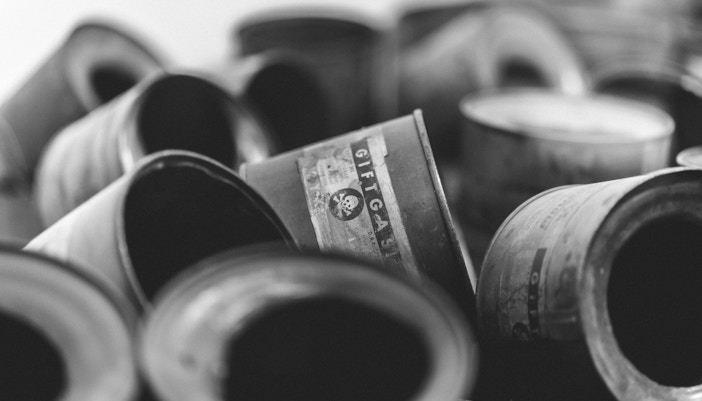
- Relics: The museum houses tens of thousands of objects that once belonged to both prisoners and SS personnel, providing an unparalleled insight into daily life during the Holocaust.
- A personal story: Your visit to the Auschwitz Birkenau Memorial and Museum will introduce you to the history of the museum itself and the incredible story of Tadeusz Wąsowicz, a Holocaust survivor who played a pivotal role in creating the museum.
- A reminder against hate: The Auschwitz concentration camp museum stands as a powerful reminder of the devastating consequences of hate and discrimination. It's not just a place to see; it's a place to reflect and learn.
What is the Auschwitz-Birkenau Memorial and Museum?
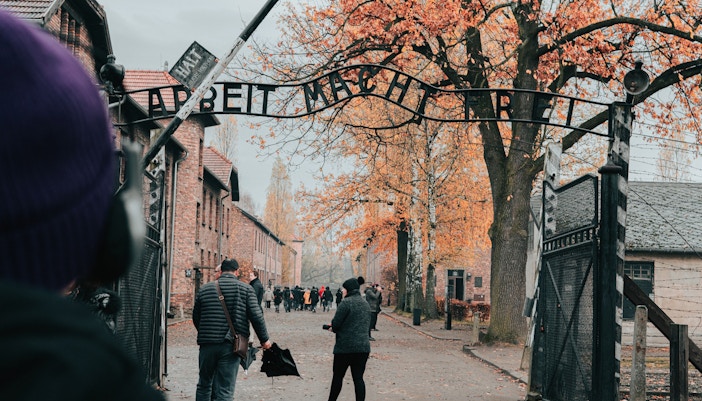
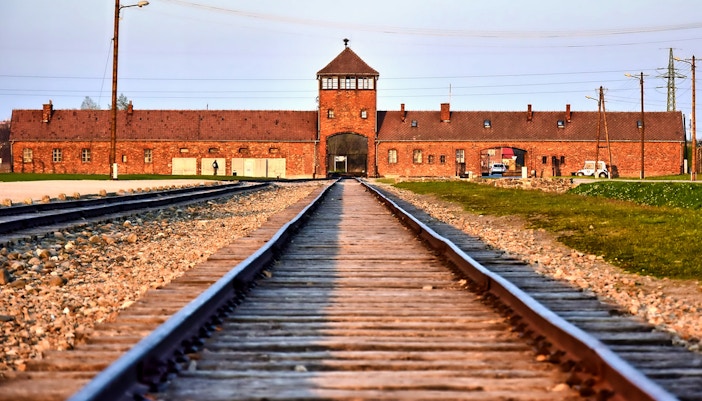
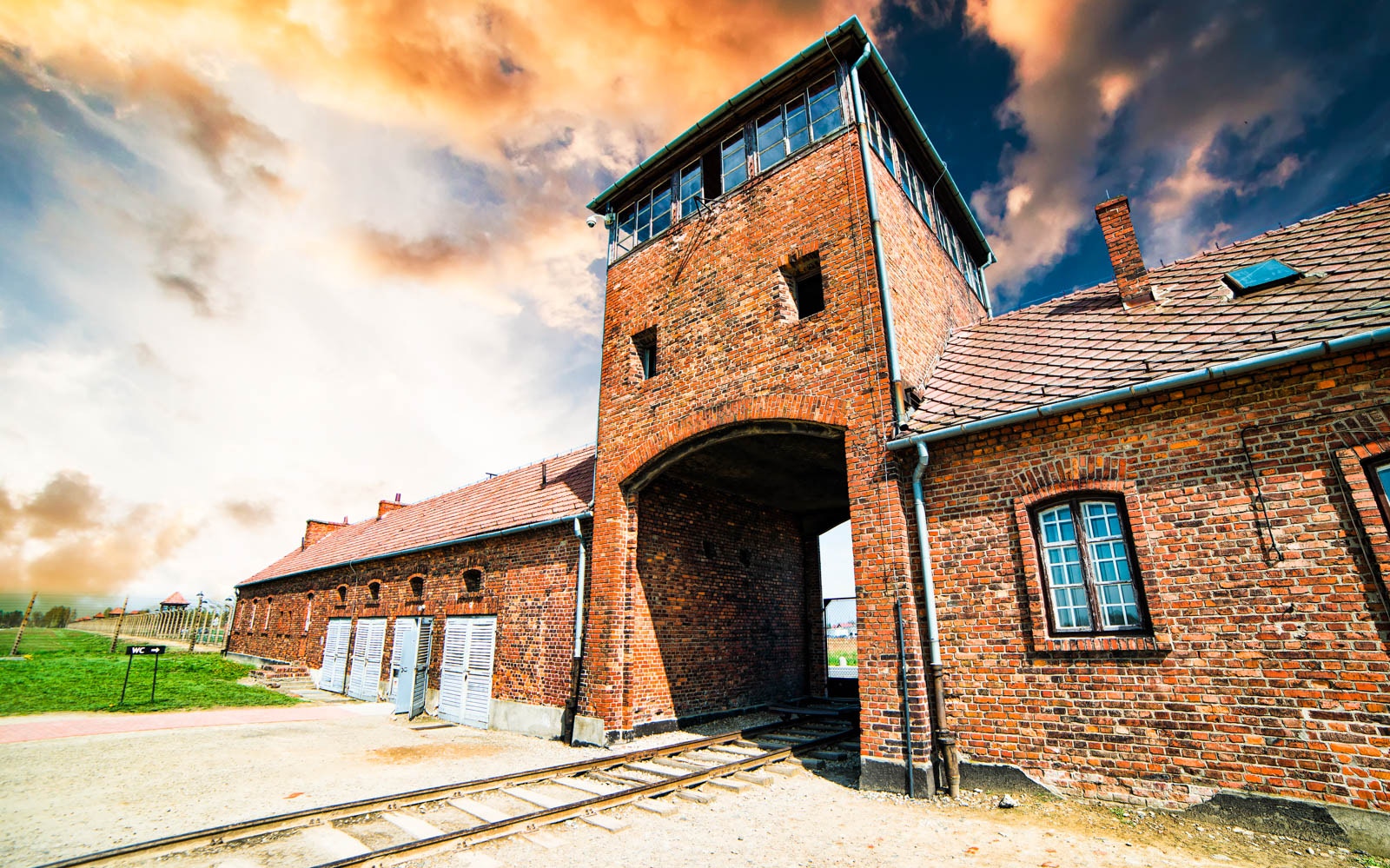
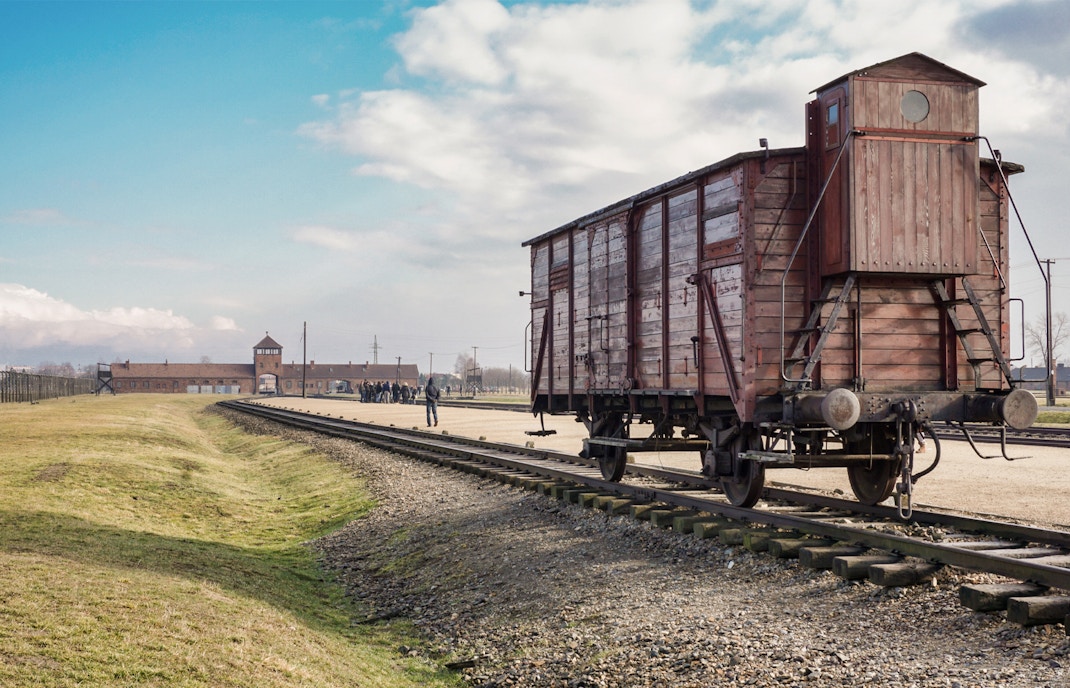
The Auschwitz Birkenau Memorial and Museum is a solemn and important historical site located in Oswiecim, Poland. It stands on the site of Auschwitz concentration camp, the largest Nazi concentration and extermination camp, where more than 1.5 million people lost their lives between 1940 and 1945. The Auschwitz Memorial is dedicated to preserving the memory of the victims and educating visitors about the horrors of the Holocaust.
Why visit the Auschwitz Museum?
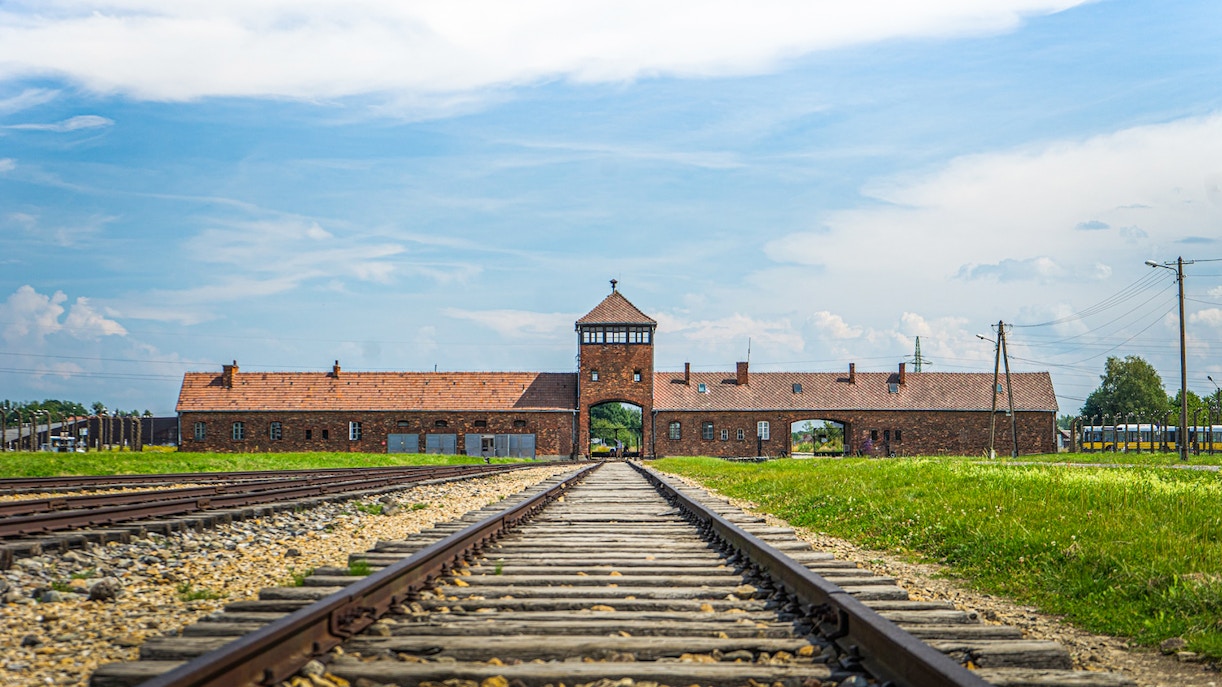
Plan your visit to the Auschwitz Museum
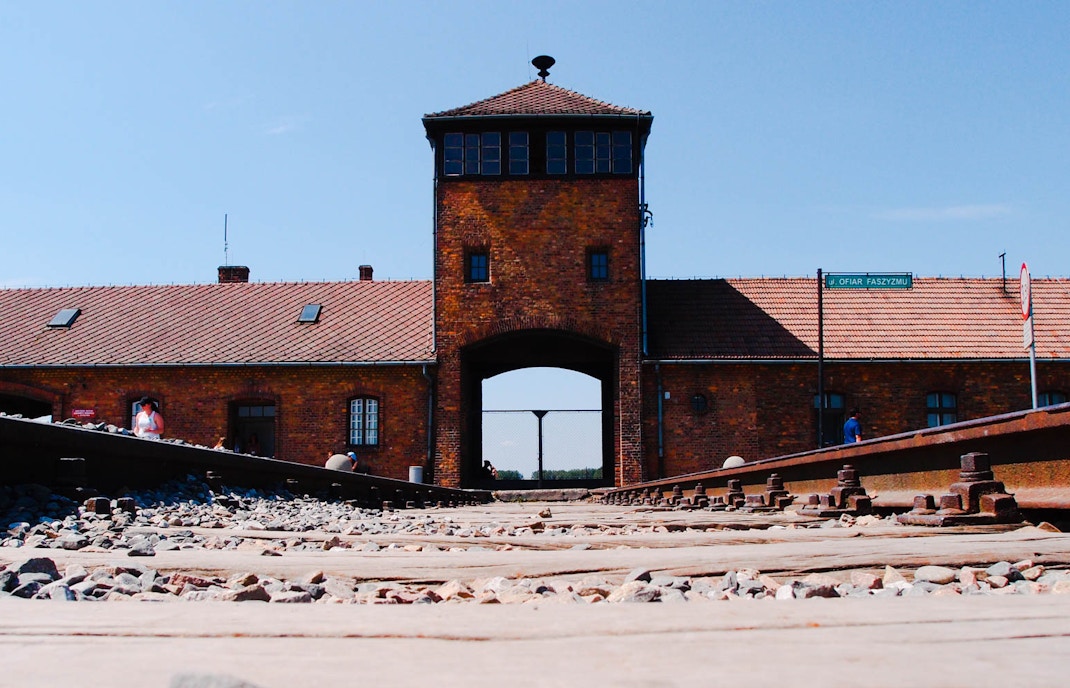
Opening Hours
- December: 7:30 AM - 2:00 PM
- January & November: 7:30 AM - 3:00 PM
- February: 7:30 AM - 4:00 PM
- March, October: 7:30 AM - 5:00 PM
- April, May & September: 7:30 AM - 6:00 PM
- June, July & August: 7:30 AM - 7:00 PM
Closure: January 1, December 25, and Easter Sunday.
Duration: A visit to the Auschwitz Memorial takes around 2 hours. A visitor may stay on the site of the Museum 90 minutes after the last entrance hour.
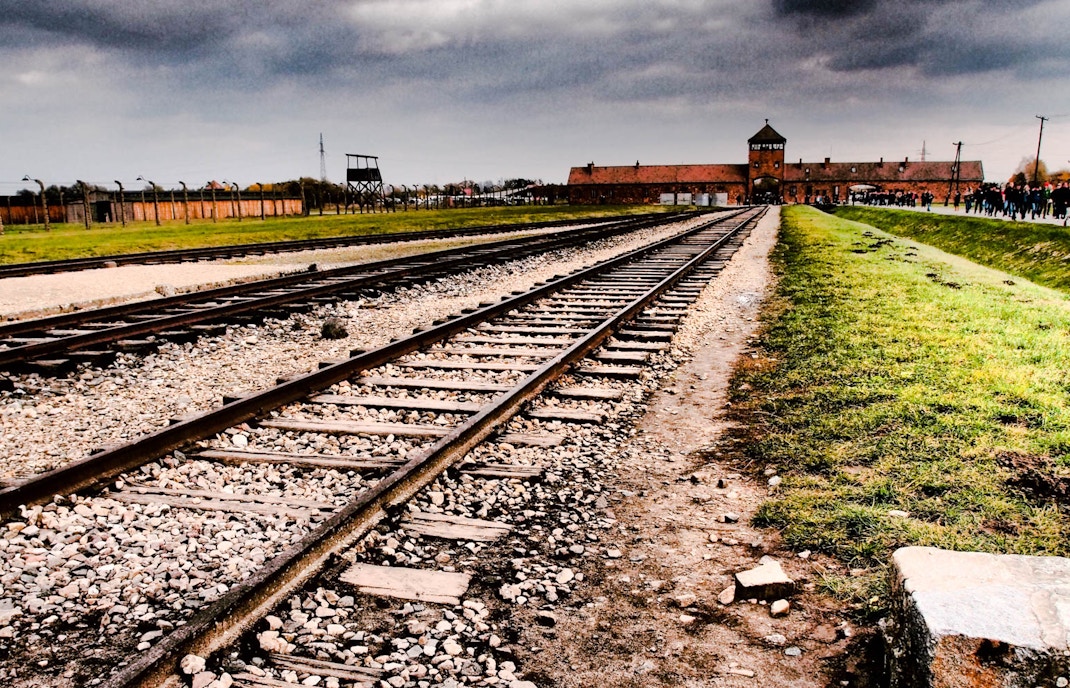
Location
Auschwitz Address: Ofiar Faszyzmu 12, 32-600 Brzezinka, Poland
Find on map
Location: Auschwitz-Birkenau Memorial and Museum is located on the sites of Auschwitz I concentration camp and Auschwitz II- Birkenau concentration camp. This somber site sits amidst the picturesque Polish countryside, providing a thought-provoking contrast to its surroundings. It is approximately 70 km away from Krakow and 330 km away from Warsaw.
Explore the Auschwitz Museum
Get a unique insight into life in Auschwitz concentration camp through the works showcased at the museum.
.jpg?auto=compress%2Cformat&w=1222.3999999999999&h=687.6&q=90&ar=16%3A9&crop=faces&fit=crop)
Historical Collections
The Auschwitz Museum houses tens of thousands of artifacts with unique characteristics, meanings, and symbolism. Thousands of pairs of shoes, 3,800 luggage, 2,100 of which retain the names of their owners, over 12,000 kitchen utensils, 470 prostheses and orthoses, 397 striped camp clothing, and around 4,100 works of art are among the Museum's holdings. The most haunting of the items are the ones that belonged to the prisoners, like their garments, signet rings made in captivity, and handmade dolls. Auschwitz Museum also has items belonging to the SS Garrison responsible for undertaking the mass extermination.
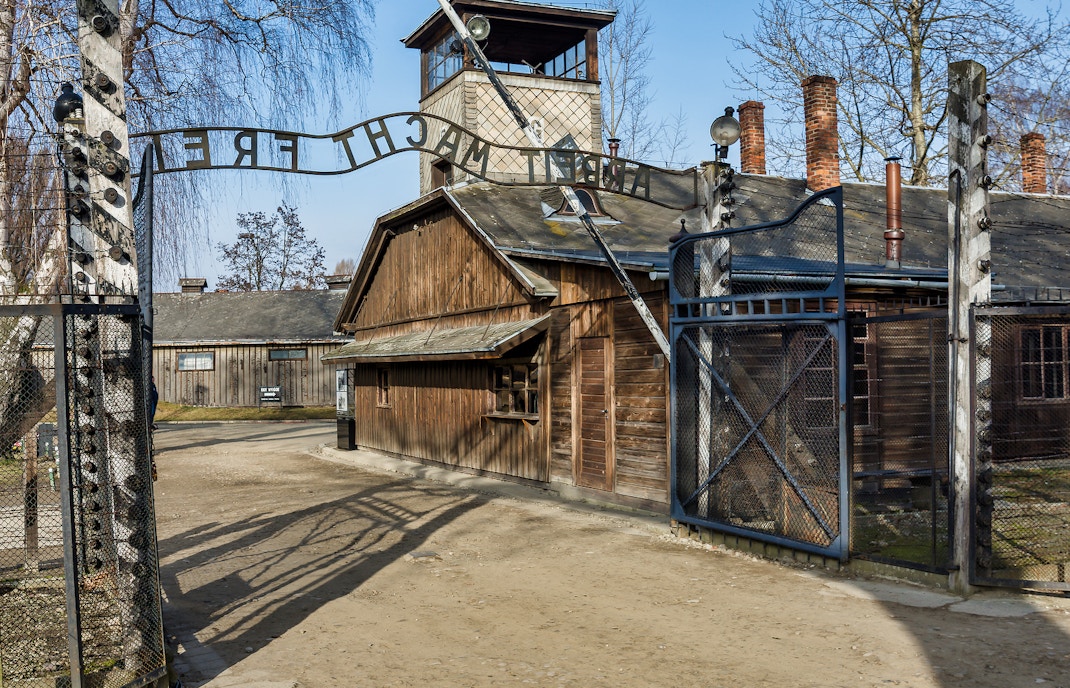
Works of Art
A unique collection of great historical and emotional value, it can be divided into the following categories:
• Ilegal works: Made in concealment from the SS, the collection includes work that documents the reality of the camp.
• Sanctioned works: Made on orders from the SS. These included instructional drawings, visualizations of plans for expanding the camp, and more.
• Lagermuseum: Set up by the Germans to showcase items plundered from people deported to the camp.
• Post-war works: Works made after the war by former prisoners.
Archives
Items related to the history of the Auschwitz Concentration Camp are collected and preserved. The artifacts from other concentration camps are also taken care of by the Archives department.
Original German camp records, copies of documents obtained from other institutions in Poland and abroad, postwar source material (memoirs, accounts by former prisoners, material from the trials of Nazi war criminals, etc. ), photographs, microfilms, negatives, documentary films, scholarly studies, reviews, lectures, exhibition scenarios, and film scripts are all included in the collection.
The official podcast of the Auschwitz Memorial
History of Auschwitz Birkenau Memorial and Museum in a minute
- In April 1946, acting under the direction of Poland's Ministry of Culture and Art, a group of former prisoners headed by Tadeusz Wąsowicz created the Auschwitz Museum to conserve the Auschwitz campsite.
- On July 2, 1947, the Polish parliament passed an act establishing the Auschwitz-Birkenau State Museum, which comprises the grounds of two extant parts of the Auschwitz I and Auschwitz II-Birkenau concentration camps.
- The first exhibition in the barracks opened in 1947.
- Following the Polish Foreign Ministry's objections to the use of the expression "Polish death camp" in relation to Auschwitz, the UNESCO World Heritage Committee approved a revision in the entry for the ruins of the Auschwitz concentration camp during its 31st session on June 27, 2007. "Auschwitz-Birkenau. The Nazi German Concentration and Extermination Camp (1940-1945)" is the appended name.
The International Council of the Auschwitz Museum
The International Auschwitz Committee was founded in 1952 by survivors of the Auschwitz concentration and extermination camp with the goals of informing the world about what happened at Auschwitz-Birkenau, protecting the interests of survivors, and encouraging and supporting interactions among regional Auschwitz commissions. In 1990, the Minister of Culture and Art issued an order establishing the International Council of the Auschwitz-Birkenau State Museum. The positions of the members of the Council were filled by world-renowned experts on concentration camps and the Holocaust.
The Auschwitz-Birkenau Preservation Department
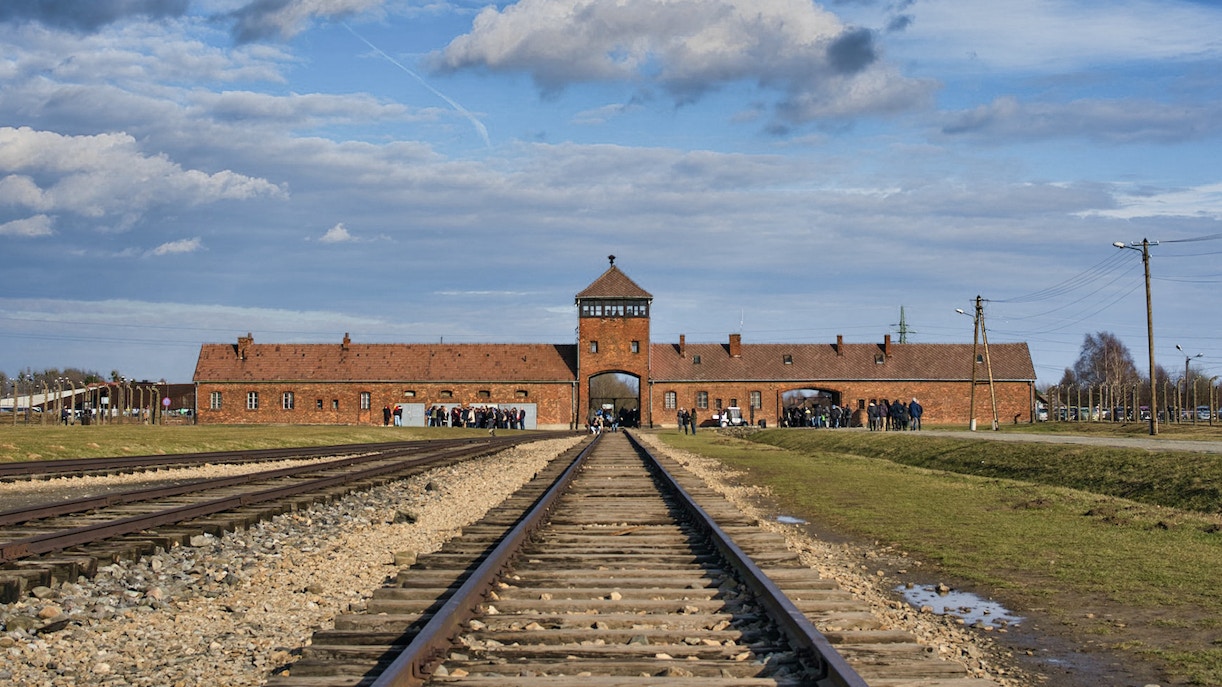
- The Auschwitz Museum Preservation Department is in charge of safeguarding the remains of the Auschwitz-Birkenau Concentration Camp.
- It has access to one of the world's leading preservation facilities and employs a workforce of highly skilled landmark preservation professionals as well as specialists in a variety of technology sectors.
- It keeps track of the artifacts on the property and performs necessary conservation maintenance.
- The Department invests a significant amount of time and resources to the conservation of mobile objects in the museum's collections.
Frequently asked questions about Auschwitz-Birkenau Memorial and Museum
Auschwitz Birkenau Memorial and Museum is a place of great historical significance, preserving the memory of the Holocaust and the suffering of countless innocent people during World War II. It is located in Oswiecim, Poland, approximately 70 kilometers from Krakow.
The Auschwitz Memorial and Museum holds artifacts relevant to the holocaust and concentration camps of Auschwitz and Birkenau.
Auschwitz Birkenau Memorial and Museum was created by a group of prisoners headed by Tadeusz Wąsowicz, in April 1946, under the direction of the Ministry of Culture and Art.
Yes, you can visit the Auschwitz State Museum without a guide. However, we recommend visiting with an expert guide who would share historical insights with you to enrich your experience.
The Auschwitz Museum has utensils, garments, jewelry, and other objects like dolls that belonged to the prisoners of the Auschwitz-Birkenau concentration camp.
A. You can find helmets, belt buckles, chairs, winter garments, whips, furniture, and motorcycle number plates belonging to SS officers at the Auschwitz Museum.
It takes around 3 hours to explore the Auschwitz Birkenau Memorial and Museum.
No, commercial photography without clearance is not allowed at the Auschwitz Museum.